
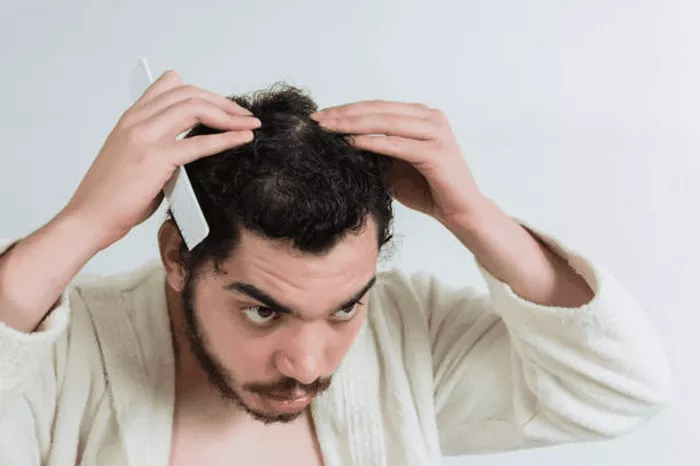
A rising number of men are reporting unexpected depression and erectile dysfunction after taking hair loss medications, prompting doctors to issue warnings about quick online consultations and aggressive social media marketing.
Healthcare experts recommend patients consult a doctor face-to-face and take additional precautions, such as pre-medication blood tests, before starting treatments. The guidance comes as younger generations, particularly Gen Z and Millennials, increasingly turn to subscription-based telehealth services for hair, skin, and mental health medications delivered to their doorstep.
Melbourne man Anthony, who requested his surname be withheld, says he continues to experience side effects years after discontinuing finasteride. He began taking the drug in 2019 but stopped after just two weeks. “Within a day or two, I started noticing side effects – mainly a disconnect from reality,” Anthony said. “The feelings of happiness, sadness, and anger didn’t exist as they did previously. If I could go back, I’d say, cop the hair loss – it’s no big deal.”
Companies such as Mosh and Pilot offer hair loss treatment plans through online consultations with doctors, often including finasteride—a prescription medication that treats male pattern hair loss by blocking a hormone. The drug has also been used for decades to treat enlarged prostates.
According to the federal government’s adverse event notifications database, between January 2015 and December 2020, there were 18 reported issues and no suspected deaths linked to finasteride. However, the number of reported side effects has doubled in the past five years, with five suspected deaths reported since 2020. The most common issues include erectile dysfunction, loss of libido, depression, and suicidal ideation, with some patients also reporting insomnia and brain fog.
Dr Emmanuel Anthony, Victorian deputy chair of the Royal Australian College of General Practitioners, said he has observed a notable increase in men seeking medical advice after using finasteride. “We are seeing more patients who are getting these side effects that they consider unexpected,” Dr Anthony said. “Many received these medications from online services and weren’t properly counselled on potential risks.”
Dr Anthony stressed the importance of thorough medical history and pre-treatment blood tests. “Finasteride can mask prostate cancer by reducing PSA levels by up to 50 percent. Proper screening gives patients reassurance and certainty,” he explained. While a small cohort of patients experience ongoing symptoms, Dr Anthony emphasized that most side effects are reversible.
Clinical psychologist Dr Marcus Squirrell also highlighted the importance of screening for finasteride use in patients presenting with erectile dysfunction or low libido. “Some clients have reduced their dosage and noticed improvements in sexual functioning,” he said, adding that awareness among psychologists, sex therapists, and doctors is critical.
Support networks for men affected by long-term finasteride side effects have emerged. Melbourne-based Mitch Sabine runs the Post-Finasteride Syndrome Network, a charity that has raised more than $700,000 to fund international research into the drug’s lasting effects. “Our goal is to understand the mechanisms driving this condition and ultimately find treatments or a cure,” Sabine said. While post-finasteride syndrome is not formally recognised as a disease, he hopes continued research will change that.
