
As the final hours of the year tick away, a familiar ritual unfolds around the globe. Living rooms, hotel ballrooms and crowded bars fill with people counting down to the same moment. Music swells, lights dim and tables overflow with food and drinks rarely seen together on an ordinary weeknight. Snacks meant to last weeks are eaten in hours, desserts reserved for special occasions crowd a single plate, and drinks that might feel excessive in summer suddenly seem perfectly reasonable.
New Year’s Eve, in many ways, compresses a year’s worth of indulgence into one emotional night. For most, that excess is part of the celebration. But for people already concerned about thinning hair or a receding hairline, a quieter question often follows the fireworks: could all of this have harmed my hair?
Associate Professor Dr. Güncel Öztürk, a plastic, reconstructive and aesthetic surgeon at HairNeva in Istanbul, hears that concern every January. His clinic treats international patients from the United States, Europe and the Middle East, many of whom book consultations immediately after the holidays.
“People arrive feeling guilty about how they ate and drank in December,” Öztürk says. “They worry that one season, or even one night, has caused permanent damage. The reality is that a single celebration does not destroy a healthy scalp. What it can do is reveal patterns that were already developing.”
A party that reflects a year of habits
From a hair specialist’s perspective, New Year’s Eve often mirrors the modern Western diet. Sugar appears in desserts, chocolates and sweetened drinks. Fried snacks and processed meats dominate buffet tables. Alcohol flows freely, while vegetables, water and lean protein tend to play a supporting role.
Öztürk emphasizes that one plate of party food does not suddenly stop hair growth. The effects, if they occur, are gradual. Diets high in sugar and refined carbohydrates, when repeated throughout the year, can contribute to insulin resistance and hormonal imbalance. In people genetically predisposed to androgenetic hair loss, this metabolic environment may slowly weaken hair follicles over time.
Fried and heavily processed foods raise similar concerns from another angle. Diets consistently rich in saturated and trans fats are linked to chronic low-grade inflammation. Hair follicles depend on a dense network of tiny blood vessels to deliver oxygen and nutrients. Persistent inflammation can impair that microcirculation, potentially leading to slower growth, increased shedding and finer hair over the years.
Alcohol is another key factor. While moderate drinking is unlikely to cause serious issues in otherwise healthy individuals, heavy holiday consumption can compound existing stresses. Excessive alcohol intake may interfere with the absorption of nutrients such as zinc, iron and B vitamins, all of which play roles in the hair growth cycle. It can also disrupt sleep, strain the liver and influence hormone balance—effects that may become noticeable in hair health weeks or months later.
Why concerns surface in January
Many people notice changes in their hair not in summer, but in January. Bright indoor lighting, constant smartphone photos and a return to routine create opportunities to observe details previously overlooked. Öztürk says patients often arrive saying they barely recognized their hair in holiday photos.
From his clinical viewpoint, the image is not the cause but a signal. Genetics establish the foundation, while hormones, medical conditions, medications, smoking, stress and sleep patterns shape the outcome over time. Nutrition is one part of this broader picture.
“New Year’s Eve itself is not the villain,” Öztürk says. “It’s an honest snapshot. If that table looks like your usual month—heavy on sugar, fried foods and alcohol—then the issue is not one night. It’s repetition.”
Small changes, lasting impact
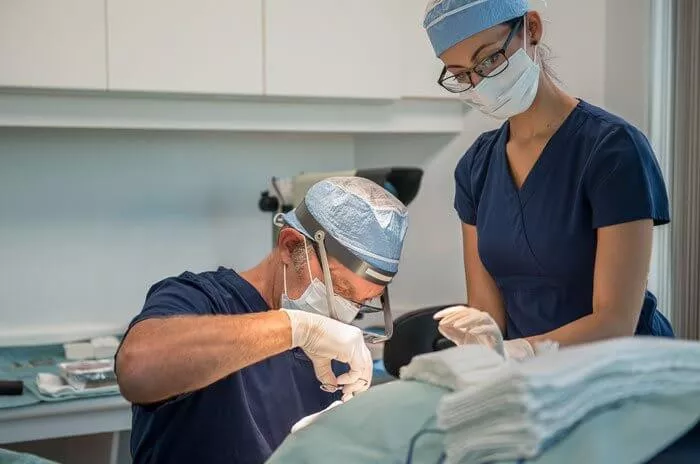
Although HairNeva is best known as a hair transplant clinic, Öztürk stresses that surgery is only one aspect of long-term hair care. Even the most advanced techniques cannot replace basic health foundations such as balanced nutrition, stable blood sugar, adequate sleep and reduced inflammation.
He advises patients not to turn the holiday season into a source of restriction or guilt. Instead, he suggests modest, realistic adjustments: eating a proper meal before grazing on snacks, drinking water between alcoholic drinks, choosing either rich savory foods or heavy desserts rather than both, and returning to regular routines in early January.
“These are not extreme measures,” he says. “You still celebrate. You still enjoy the moment. You just avoid letting your hair pay the full price.”
Turning reflection into opportunity
Hair often features prominently in New Year’s resolutions because it is visible, emotional and closely tied to identity. For some, January is the moment to finally seek advice about long-ignored thinning. For others, it prompts a broader look at stress, sleep and nutrition.
When asked whether the holidays can “ruin” hair, Öztürk offers a measured answer. One festive season does not determine anyone’s future hairline. What matters is how that moment is used.
“New Year’s Eve is a pause the whole world seems to share,” he says. “If you use it to listen to what your hair is telling you and follow that with consistent, realistic changes, it becomes an opportunity rather than a problem.”
As decorations come down and routines return, what remains is the daily pattern of choices. The new year does not demand transformation overnight. It simply invites people to decide which habits they want to carry forward—for their overall health and for their hair.
