
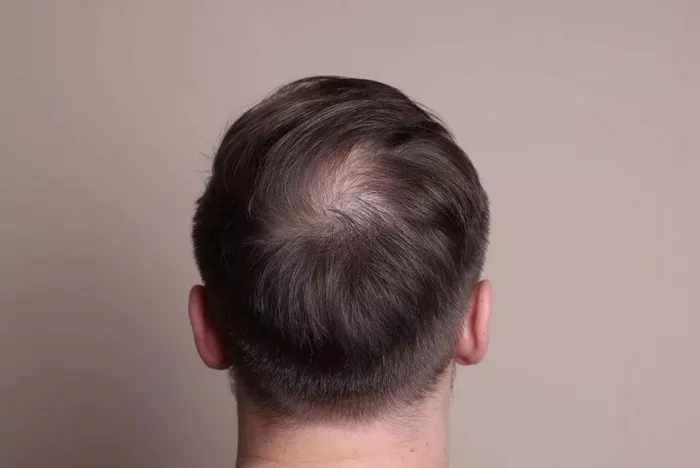
Hair loss affects millions worldwide, and as treatments evolve, microneedling has emerged as a trendy solution promising to stimulate hair growth and combat thinning. Dermatologists and hair specialists weigh in on what microneedling is, its potential benefits, and alternative options for hair restoration.
What Is Microneedling?
Microneedling, or percutaneous collagen induction therapy, uses a handheld device with tiny needles to create micro-punctures in the skin. These controlled micro-injuries trigger the skin’s natural healing response, promoting collagen production and blood flow.
“Microneedling is widely recognized for treating acne scars, wrinkles, stretch marks, and enlarged pores. Its role in hair growth is still being explored,” says Jodi LoGerfo, DNP, APRN, FNP-BC, a New York City-based board-certified dermatologist and hair loss expert.
The treatment’s effectiveness for hair loss varies depending on the underlying cause, severity, and individual health, explains trichologist Isfahan Chambers-Harris, PhD. “Results are limited and highly individualized,” she notes.
Microneedling Combined with Minoxidil
FDA-approved treatments for hair loss include topical minoxidil and oral finasteride, though finasteride is not approved for those assigned female at birth. When used with minoxidil, microneedling may enhance results.
By creating microchannels in the scalp, microneedling improves topical minoxidil absorption and may trigger a wound-healing response that increases blood flow and collagen around hair follicles. Early research suggests that combining microneedling with minoxidil can produce better results than minoxidil alone, though studies remain limited.
How the Procedure Works
During a microneedling session, a topical anesthetic is applied for 30–60 minutes before the treatment. A pen or roller with fine needles is then used to create micro-injuries across the scalp. When combined with minoxidil, additional passes help the medication penetrate more effectively.
LoGerfo emphasizes that microneedling should only be performed by licensed professionals due to infection risks and potential skin irritation.
Treatment Frequency and Cost
Sessions are generally quick, lasting about an hour, with most of the time spent waiting for the anesthetic to take effect. Treatment frequency varies, with some patients receiving weekly sessions, while others have monthly treatments. Typical costs range from $200 to $800 per session, and most patients undergo at least three treatments, with some receiving up to 12 over several months.
Aftercare Tips
Post-treatment, mild swelling and soreness are normal. To minimize irritation and infection risk, avoid washing hair for a few days, use gentle shampoos, sleep on a clean pillowcase, handle hair gently, and protect the scalp from sun exposure.
Alternatives to Microneedling
- PRP Therapy: Platelet-rich plasma (PRP) therapy involves drawing blood, separating platelets, and injecting plasma into the scalp to stimulate collagen and cell growth. PRP has been shown to prolong the hair growth phase, improving hair density over 3–6 months.
- Scalp Massages: Boosting circulation through regular scalp massages can improve follicle health and promote a stronger hair growth environment.
- Red Light Therapy: FDA-cleared LED devices like combs, caps, or helmets can help stimulate hair regrowth over time with consistent use.
- Hair Serums: Targeted serums may support hair growth, though consultation with a dermatologist or hair specialist is recommended to address the root cause.
