
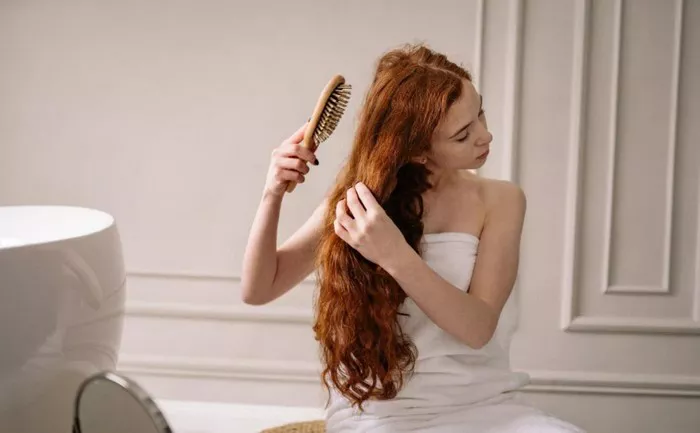
As lifespans extend, so does the desire for healthier hair well into later life. With longevity culture becoming mainstream, hair rejuvenation practices are gaining traction, aiming to preserve hair vitality before issues arise. Experts predict that 2026 will be the year of proactive hair health.
Comprehensive Diagnostics: Genetics, Hormones, and Deficiencies
Understanding the root causes of hair loss is the first step. “Factors range from genetics and hormonal shifts to stress, medical conditions, and medications,” explains hair extension expert Hadley Yates. He notes a growing number of clients experiencing hair shedding linked to weight-loss drugs such as Ozempic, likely due to rapid weight changes and nutritional imbalances. Environmental and lifestyle factors—tight hairstyles, chemical processing, and excessive heat styling—also contribute to hair disruption.
Trichologists, specialists in hair and scalp science, remain a key resource for diagnosing hair concerns. Increasingly, aesthetic medical professionals are treating hair loss as a longevity indicator, offering hormone panels and blood work. Dr. Sophie Shotter, a cosmetic practitioner, recommends the TrichoTest—a DNA-based assessment that identifies genetic predispositions to hair loss and likely nutrient responses—allowing for targeted interventions. At Aevum, a pioneering salon launched by Tom Smith and Chris Donohue in Bloomsbury, clients can access a mix of salon services, medical insights, and personalized hair growth plans. “The salon chair can be where early concerns are shared,” says Smith. Early detection and customized protocols are crucial for optimal results.
Scalp Care: The New Frontier of Hair Wellness
Experts emphasize that a healthy scalp is the foundation for strong hair. “If the scalp is inflamed or compromised, follicles cannot perform at their best,” notes trichologist Anabel Kingsley. Clinics and salons now offer advanced scalp care, including follicular mapping and bespoke treatments like the 21-step Cloud Twelve Head Spa protocol, which combines scalp therapy, massage, and facial rejuvenation.
At-home solutions focus on barrier repair and microbiome support, using scientifically advanced topical formulations. Products such as Philip Kingsley Hair Shedding Drops, containing peptides, melatonin, caffeine, and zinc PCA, stimulate growth while reducing inflammation. Mass-market brands are also innovating; for instance, L’Oréal Paris’s Elvive Growth Booster combines aminexil, niacinamide, and ginger extract, with trials indicating reduced hair loss and increased density.
Regenerative Treatments: Stimulating Youthful Follicles
Regenerative therapies are reshaping the hair health landscape. PRP (platelet-rich plasma) and PRF (platelet-rich fibrin) injectables stimulate follicles with growth factors derived from the patient’s blood. Stem cell exosome treatments, such as Calecim Professional Advanced Hair System, send cellular signals to rejuvenate follicles.
LED and low-level laser therapy (LLLT) devices are also gaining popularity for home use. Smith recommends the Current Body LED Hair Helmet, while Dr. Shotter highlights Nooance’s dual-action Beauty and Regrowth Hair Helmet, which combines LED and LLLT, showing a reported 20.8% increase in hair thickness in independent studies.
Medications, Supplements, and Surgical Solutions
For persistent hair loss, medications like Minoxidil, Finasteride, and Dutasteride are more accessible through online services such as Hair + Me. Kingsley advises tailored supplementation, emphasizing protein intake, while Dr. Shotter highlights collagen as universally beneficial.
Surgical advancements, including stem cell hair transplants, are expected to expand in 2026. Unlike traditional methods, Hair Stem-Cell Transplantation (HST) creates multiple hairs from a single follicle sample, with Dr. Coen Gho at London’s Hair Science Clinic leading the field.
Quick Solutions: Next-Gen Hair Extensions
For immediate impact, modern hair extensions offer natural-looking density. Yates recommends lightweight clip-in fillers or keratin bond extensions to restore volume with minimal maintenance. “They are quick, low-maintenance, and deliver instant, natural-looking results,” he explains.
Smith concludes, “The best outcomes come from combining multiple protocols.” With advancements across diagnostics, scalp care, regenerative therapies, medications, and extensions, individuals can now adopt a comprehensive, future-proofed approach to hair health.
