
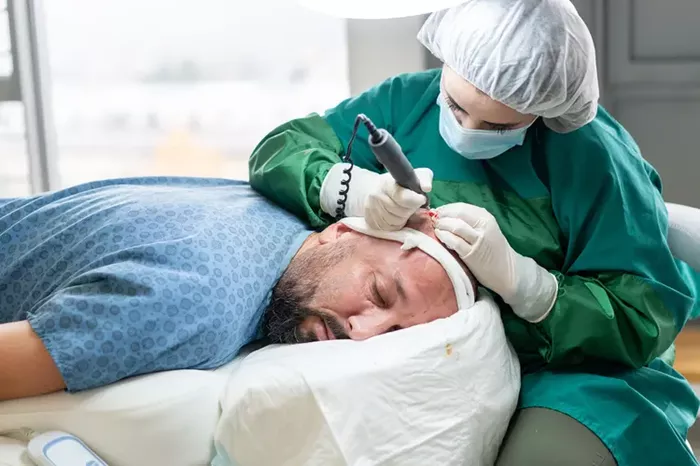
For many patients, the surgical procedure itself is often less intimidating than the recovery period that follows a hair transplant. The true challenge typically begins at home, where uncertainty about healing can lead to stress and confusion.
Medical tourism adds an extra layer of complexity. International patients often leave the treatment country shortly after their procedure, making consistent follow-up difficult. Traditionally, aftercare relied on written instructions or remote communication via messaging apps or call centers. However, the industry is now embracing technological solutions to overcome time-zone differences and streamline communication between clinics and patients.
Digital Innovation in Patient Support
Recognizing the need for more structured support, some clinics are moving away from generic messaging platforms in favor of specialized mobile applications. One notable example is the Heva Clinic Hair Transplant Aftercare app, designed to digitize and personalize the post-operative experience. Patient reports suggest that purpose-built platforms can enhance the clarity and consistency of aftercare.
Unlike static manuals, these digital tools provide interactive interfaces that adapt to each patient’s surgery date and specific procedure details. Patients receive personalized guidance tailored to their stage of recovery, helping reduce confusion and improve adherence to recommended protocols.
Key Features of Modern Aftercare Applications
- Timeline-based instructions: Daily guidance aligned with the patient’s recovery stage, outlining recommended activities and restrictions.
- Centralized communication: AI-powered chat features connect patients with clinic databases, ensuring secure, efficient, and structured communication.
- Visual monitoring: Patients can upload photos at designated intervals to track healing progress, enabling remote assessments when necessary.
- Automated reminders: Notifications keep patients on track with medication schedules, washing instructions, and activity precautions.
Bridging the Gap in Medical Tourism
While digital tools cannot replace professional medical expertise, they serve as valuable companions, providing reassurance, structure, and improved accessibility during recovery. These innovations reflect a broader trend in medical tourism, emphasizing continuity of care and enhancing the patient experience well beyond the operating room.
