
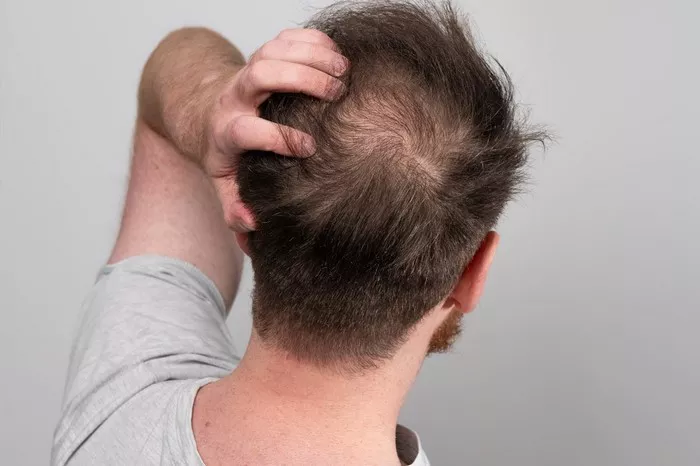
The global market for androgenetic alopecia treatments, aimed at managing hair thinning caused by genetic and hormonal factors, is experiencing robust growth as more individuals seek effective hair restoration solutions. Analysts say the sector’s expansion reflects increasing awareness of hair loss management and rising investments in innovative therapies.
Market Growth and Projections
Valued at $2.29 billion in 2024, the androgenetic alopecia treatment market is projected to reach $2.44 billion by 2025, reflecting a compound annual growth rate (CAGR) of 6.9%. Forecasts indicate continued growth, with the market expected to reach $3.19 billion by 2029 at the same CAGR. Key drivers include a rising prevalence of hair loss, aging populations, higher healthcare spending, and demand for effective, patient-centered treatment options.
Industry trends fueling this growth include strategic partnerships, regulatory approvals for new treatments, increased investments in research and development, and advancements in hair restoration technologies. Chronic conditions such as cancer, polycystic ovary syndrome (PCOS), and rheumatoid arthritis, which can exacerbate hair loss, are also contributing factors.
Understanding Androgenetic Alopecia
Androgenetic alopecia, commonly referred to as male- or female-pattern hair loss, affects millions worldwide. The condition is characterized by gradual hair thinning—typically a receding hairline in men and diffuse thinning across the crown in women. Genetic predisposition and the hormone dihydrotestosterone (DHT) are the primary drivers of follicle miniaturization that leads to progressive hair loss.
Rising Incidents of Hair Loss Drive Demand
The growing prevalence of hair loss is a major catalyst for the market. Globally, approximately 35 million men and 21 million women are affected, according to a 2022 report from the Hair Society. In the UK alone, the National Health Service reported in 2024 that around 6.5 million men and 8 million women experience hair loss, with over 650,000 hair transplant procedures performed annually.
Treatments for androgenetic alopecia range from hormonal therapies and follicle stimulation to surgical hair restoration, addressing the diverse needs of patients. The surge in hair loss cases, coupled with increasing awareness of treatment options, underscores the sector’s growth potential.
As the market continues to expand, analysts predict ongoing innovation, regulatory developments, and strategic collaborations will shape the future of hair loss therapies, offering hope for millions seeking effective solutions.
