
After decades of treating hair loss in traditional clinical settings, board-certified dermatologists Ben and Sean Behnam noticed a recurring problem: patients were cycling through shampoos and medications that promised results but rarely delivered. Hair loss was being treated more as a guessing game than a medical condition, leaving patients frustrated and underserved.
Determined to address this gap, the brothers launched Happy Head in 2021, a telemedicine platform offering dermatologist-prescribed, personalized hair growth treatments delivered directly to customers’ doors—a move accelerated by the COVID-19 pandemic’s disruption of in-person care.
Personalized Care at the Core
Unlike conventional hair loss treatments that rely on one-size-fits-all formulas, Happy Head begins with a comprehensive medical evaluation. Patients complete a digital consultation reviewed by licensed clinicians, with board-certified physicians recommending treatments tailored to individual needs. Prescriptions are custom-compounded, combining medications at precise strengths based on each patient’s profile rather than dispensing generic solutions.
Benjamin Katz, a serial entrepreneur and registered nurse who acquired majority ownership shortly after Happy Head’s launch, emphasized that this individualized approach sets the company apart. “Most hair loss treatments are impersonal,” Katz said. “We draw on clinical practice and medications commonly used in Europe, adapting them to each case.”
Targeting Premium Care
With an annual cost roughly $500 higher than competitors, Happy Head primarily targets high-income consumers who value specialized care. Katz likens the difference to choosing between “a Toyota and a Lamborghini,” noting the company serves those willing to invest in both their appearance and health.
Beyond Prescriptions
Happy Head offers a full suite of tools beyond medication, including StrandIQ genetic testing to determine the most effective ingredients for each user, laser hair growth helmets, hair-thickening shampoos and conditioners, vitamins, and serums. The platform can even detect early signs of hair loss in customers’ 20s, enabling proactive treatment.
The company is also expanding into prescription dandruff treatments, aiming to provide solutions far more effective than over-the-counter options.
A Long-Term Vision
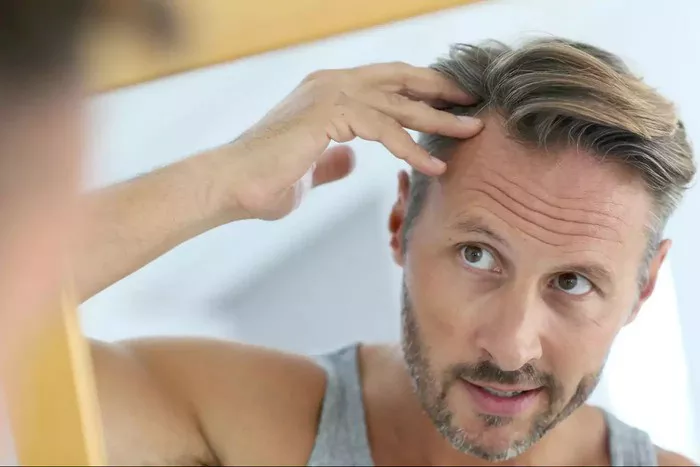
Happy Head’s model emphasizes ongoing monitoring rather than quick fixes. Patients are encouraged to submit hairline photos between months three and six to track progress visually. “Looking in the mirror day to day, you don’t necessarily see the growth the way you do with a proper time series,” Katz explained.
Despite competing with major players like Hims & Hers and Ro, Happy Head operates as a sustainable, provider-owned “family office” rather than chasing rapid expansion. Katz draws on lessons from previous ventures, focusing on profitability and long-term stability over aggressive scaling.
Market Potential
With over 50 million men and 30 million women in the U.S. affected by hair loss, the potential market is substantial. Happy Head’s commitment to personalized care and long-term patient outcomes is already capturing significant market share among high-income consumers—the audience Katz aims to serve.
Not all patients respond to treatment, but the company investigates non-responses by adjusting medications and considering lifestyle factors such as diet, sleep, and stress. “Your body is a system at the end of the day,” Katz said. “Before adjusting medications, we often ensure patients are getting enough protein, vitamin D, and collagen.”
By prioritizing long-term results and best-in-class care, Happy Head is positioning itself as a leading player in the telemedicine hair loss space. As Katz noted, “If we stay as the best-in-class hair medicine player on the internet, then we’ll always succeed.”
