
Being a teenager is challenging—and dealing with obesity can make it even harder, says Dr. John Cleek of Novant Health General Surgery & Bariatrics in Mount Pleasant.
Dr. Cleek’s own struggles with weight as a child and teen inspired him to specialize in obesity medicine. Over the past 20 years, he has helped patients not just lose weight, but improve their overall health and quality of life.
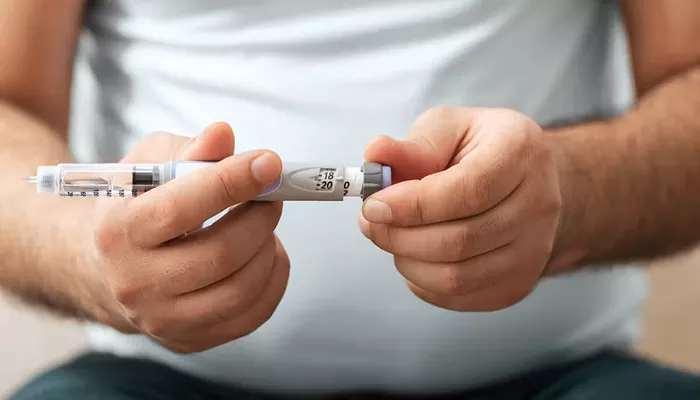
In the past five years, the FDA has approved two GLP-1 medications for adolescents with obesity: semaglutide (Wegovy) and liraglutide (Saxenda). These injectable drugs can support weight loss—but only as part of a larger lifestyle plan that involves the whole family.
How Obesity Affects Teens
Obesity carries both physical and emotional consequences. Teenagers with obesity often face bullying, social stigma, and low self-esteem, which can make them hesitant to try new activities or engage with peers.
Medically, obesity in teens is linked to rising rates of Type 2 diabetes, metabolic dysfunction-associated steatotic liver disease (MASLD), and sleep apnea. These conditions can create long-term metabolic problems.
“Mental health impacts are often the hardest,” Cleek says. “With social media and constant comparisons, being a teen with obesity can feel isolating.”
How GLP-1 Medications Work
GLP-1 drugs help improve a teen’s metabolic health, not just reduce their weight. They can lower liver fat, reduce liver scarring, help manage sleep apnea, and lower blood pressure. Many teens also report higher self-esteem as their bodies change, which can reduce depression and improve social experiences.
These medications are particularly effective at reducing “food noise”—the constant preoccupation with eating and cravings that many people with obesity experience.
Who Can Benefit from GLP-1 Medications
Teens aged 12 and older with a BMI in the 95th percentile or above may qualify. Those with a BMI in the 85th percentile and at least one chronic health condition—such as high blood pressure or Type 2 diabetes—may also be eligible.
For teens with multiple health complications, bariatric surgery may be a more effective option. In studies, most teens on GLP-1 medications lose 5% to 15% of their body weight, which may not be enough for those with severe obesity.
Risks and Considerations
GLP-1 medications are generally safe for teens, but they may cause side effects such as nausea, diarrhea, or skin reactions like hives. Adequate nutrition and growth monitoring are crucial to prevent malnourishment or hindered development. Teens with a high risk of eating disorders or a family history of certain thyroid cancers may not be candidates.
Lifestyle Changes Are Key
The American Academy of Pediatrics emphasizes that weight-loss medications should supplement, not replace, healthy lifestyle habits. Family support is essential. Homes should focus on balanced meals, protein, vegetables, controlled carbs, adequate sleep, and consistent monitoring through food journals or dietitian visits.
Long-Term Commitment
Most teens on GLP-1 medications will need long-term treatment. Research in adults shows that stopping the medication often leads to regaining weight. Future studies may clarify how to taper medications effectively, but for now, GLP-1 drugs remain a powerful tool in long-term obesity management.
Getting Started
Parents interested in exploring GLP-1 medications should start with their child’s pediatrician or family doctor. They may refer the teen to a pediatric obesity specialist for comprehensive care.
“GLP-1 medications are the first non-surgical option that can make a real difference in a teen’s weight and mental health,” Cleek says. “It’s life-changing for many families.”
Related topic:
