
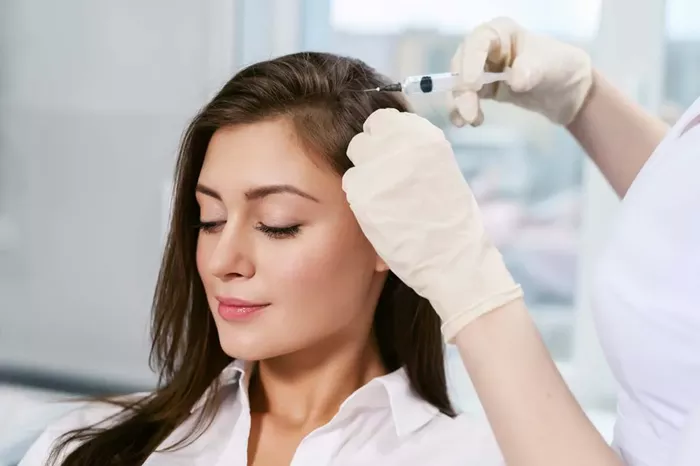
Hair transplants have become one of the most popular cosmetic procedures for men and women in today’s image-conscious world. Despite their rising popularity and proven results, myths and fears about the procedure still persist.
Dr. Shalini Malhotra, an internationally recognised hair transplant surgeon and board-certified dermatologist, explains that modern hair restoration is safe, minimally invasive, and produces natural results when performed by experienced professionals.
Common Myths About Hair Transplants
Many people avoid hair transplants due to outdated fears such as pain, artificial results, or potential risks. Dr. Malhotra emphasises that advances in technology and techniques have addressed these concerns.
Pain and Risk Are Minimal
Advanced procedures, particularly Follicular Unit Excision (FUE), are performed under local anaesthesia, meaning patients experience little to no pain. Hair follicles are carefully extracted from donor areas and implanted in thinning regions without large incisions, resulting in minimal bleeding and quick recovery. “Most patients return to work within two to three days,” says Dr. Malhotra.
Results Look Completely Natural
Gone are the days of “pluggy” hairlines. Modern procedures use precise follicle placement, digital imaging, and advanced instruments to recreate hairlines that match the patient’s age, facial structure, and natural hair pattern. Dr. Malhotra highlights that both technical skill and artistic planning are key to seamless, natural results.
Hair Transplants Are Effective for Women
While hair loss is often associated with men, over 40% of women experience significant thinning. Modern techniques now address female pattern baldness, post-pregnancy hair loss, and hormonal thinning, helping women achieve fuller, natural-looking hair.
Minimal Risk When Performed in Certified Clinics
Complications are rare when procedures follow international safety standards. Dr. Malhotra’s clinic adheres to American Board of Hair Restoration Surgery (ABHRS) guidelines, using sterilised instruments, controlled surgical environments, and careful post-operative monitoring. “Patient safety is our top priority,” she notes, citing a 98% graft survival rate.
Not Just for Complete Baldness
Hair transplants can benefit anyone experiencing thinning or early-stage hair loss. Early intervention allows surgeons to use fewer grafts, preserve density, and deliver more natural results. Procedures can also be combined with PRP or GFC therapy for enhanced effects.
Long-Lasting Results
Transplanted follicles are taken from areas naturally resistant to hair loss, ensuring permanent growth. Patients can style, cut, and colour their hair as usual without worry.
A Life-Changing Procedure
Hair transplantation is not just cosmetic—it can restore confidence and improve self-image. “Hair restoration is about more than looks—it’s about restoring identity,” says Dr. Malhotra. She encourages anyone considering the procedure to consult with an experienced team for safe and satisfying results.
Related topic:
