
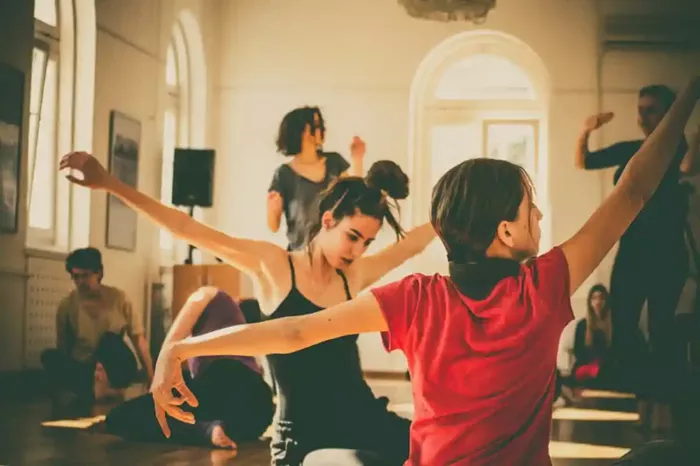
A recent 2024 review published in The BMJ highlights the potential of structured dance programs in alleviating depression symptoms, positioning dance as a promising supplementary treatment alongside traditional care methods.
New Evidence on Dance and Mental Health
This year’s network meta-analysis, published in The BMJ, analyzed 218 randomized controlled trials with over 14,000 participants. The review evaluated various forms of physical activity, including walking, jogging, yoga, strength training, and dance, to see how each impacted depression scores.
Dance-based interventions were found to significantly reduce depressive symptoms, placing them among the most effective activities studied. Although the number of dance-specific trials was fewer than other exercise types, the overall impact of dance in reducing depression was notable.
What Makes Dance Unique
Experts suggest that dance’s distinctive structure—combining movement, rhythm, music, and social interaction—may explain its effectiveness. Unlike other exercises like walking or strength training, dance activates multiple brain regions involved in reward, memory, and emotional regulation. This synergy offers mental health benefits that go beyond physical exercise.
Need for More Long-Term Research
Despite promising findings, the review’s authors caution that the evidence remains preliminary. Many studies had small sample sizes or varying methods, and the duration of the interventions differed. As such, dance should not replace standard treatments such as therapy or medication, they emphasize.
Depression’s Global Impact
According to the World Health Organization, depression affects about 5 percent of adults globally. In the U.S., about 13 percent of individuals aged 12 and older reported experiencing depression symptoms in recent years, a figure that has risen post-pandemic.
Experts Advocate for Supplementary Role of Dance
Mental health professionals say the new review further supports the positive role of physical activity in emotional well-being. While dance may appeal to those who struggle with traditional forms of exercise, clinicians stress that it should supplement, not replace, professional care.
Therapies like counseling, support programs, medication when appropriate, and lifestyle changes remain central to effective treatment. Researchers agree, however, that structured dance classes could be a safe and accessible option for people seeking additional support for their mental health.
A Growing Role in Public Health
With growing interest in fitness and arts-based programs, dance could become an integral part of public health strategies aimed at improving mood and supporting recovery. As communities continue to expand access to such programs, dance may increasingly serve as a valuable tool in promoting mental health resilience.
Related topic:
