
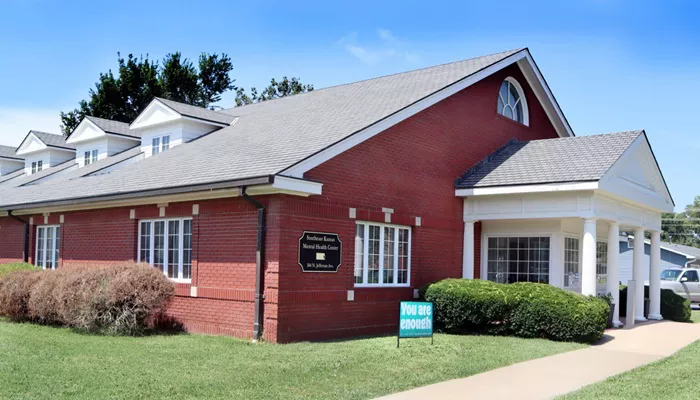
Kansas has made significant strides in behavioral health care, climbing from last place to 18th in a national ranking of mental illness prevalence and access to services over the past two years. State officials attribute the improvement to increased investment in quality care.
Now, a $72.5 million grant awarded to Kansas and two other states is expected to further expand access to behavioral health services.
“This initiative represents a pivotal opportunity for Kansas to lead in behavioral health innovation,” said Laura Howard, secretary of the Kansas Department for Aging and Disability Services, in a Nov. 18 news release.
Kansas, Illinois, and Michigan will share the grant over the next three years. The Washington, D.C.-based National Council for Mental Wellbeing will administer the funds, which are provided by the Ballmer Group, a philanthropic organization founded by former Microsoft CEO Steve Ballmer and his wife, Connie.
The grant will support the creation or expansion of Certified Community Behavioral Health Clinics (CCBHCs). These clinics provide 24/7 crisis care, counseling, case management, outpatient services, psychiatric rehabilitation, treatment planning, and mental health care for veterans. The funding will also support crisis care, outpatient mental health and substance use services, primary care screening, and partnerships with schools, law enforcement, and homeless shelters.
Connie Ballmer emphasized the importance of community clinics in a national council news release. “Access to comprehensive, high-quality care provides people with the opportunity to achieve stability,” she said, noting the benefits for children and families.
A 2024 study of Kansas clinics found that establishing CCBHCs increased annual patient visits from about 24,000 to 42,000. State spending also rose from $52 million to $74 million. However, researchers projected potential savings of $5 million from avoided emergency room visits and $42 million from fewer inpatient stays.
Kansas currently has 26 certified clinics. The state Legislature passed a bill in 2021 to certify and fund these clinics, marking one of the most significant changes to mental health care in decades. Nationwide, more than 500 CCBHCs now operate in 46 states, Washington, D.C., and Puerto Rico, primarily funded through Medicaid.
Cara Sloan-Ramos, a spokesperson for the Kansas Department, noted that the impact of recent federal Medicaid changes on the state’s clinics is still uncertain. “The state knows that federal policy changes are coming,” she said, “but the precise financial and operational impact on Kansas CCBHCs remains undetermined.”
The 2023 assessment that ranked Kansas last highlighted substance use disorders among youth, mental illness in adults, and serious suicidal thoughts as key challenges.
Looking ahead, Kansas plans to address workforce shortages, improve rural access, ensure financial sustainability, maintain service quality, and expand partnerships to coordinate comprehensive care.
Related topic:
