
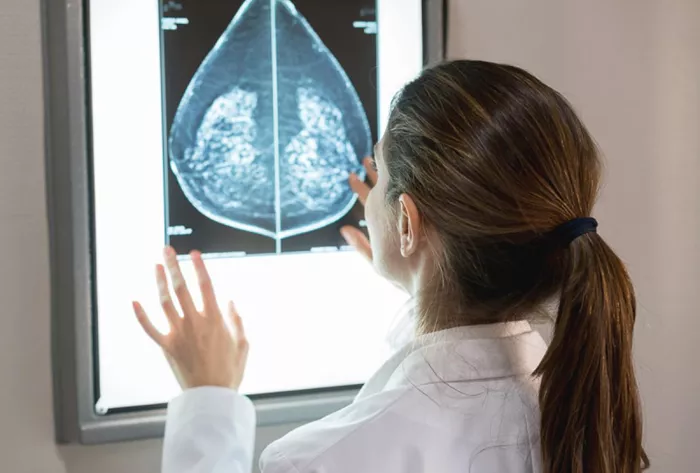
BreastScreen NSW is expanding its use of artificial intelligence to assess mammography images from all first-time screening participants. This follows a successful trial of the technology, which began a year ago.
The AI system was first used to read selected images from women aged 50 to 59. It helped reduce the number of women called back for extra testing. This has lowered stress for many women while maintaining strong cancer detection rates.
By late 2025, the accuracy of the technology is expected to reduce unnecessary follow-up tests by around 20 per cent. This means about 500 fewer women will be asked to return for additional procedures, such as breast ultrasounds or needle biopsies.
Since its introduction, the system has analysed more than 19,000 mammograms and identified more than 130 cancers.
BreastScreen NSW is the first large-scale screening program in Australia to adopt this advanced technology. AI is used to support radiologists by providing an extra layer of analysis, but every mammogram is still reviewed by at least one radiologist to detect early signs of breast cancer.
This technology helps ensure the service can continue to meet demand while maintaining high standards of care for the growing NSW population.
Before implementation, BreastScreen NSW conducted the world’s first extensive study into the accuracy and safety of the system. The study showed that the technology performed at a level comparable with the existing screening program, without reducing cancer detection.
For women aged 50 to 74, having a breast screen every two years remains the most effective way to detect breast cancer early. Aboriginal and Torres Strait Islander women are encouraged to start screening from age 40.
Early detection greatly improves survival and can reduce the need for more invasive treatments, such as mastectomy. Any woman who notices a change in her breast, including a lump, should see her doctor as soon as possible.
Related topics:
