
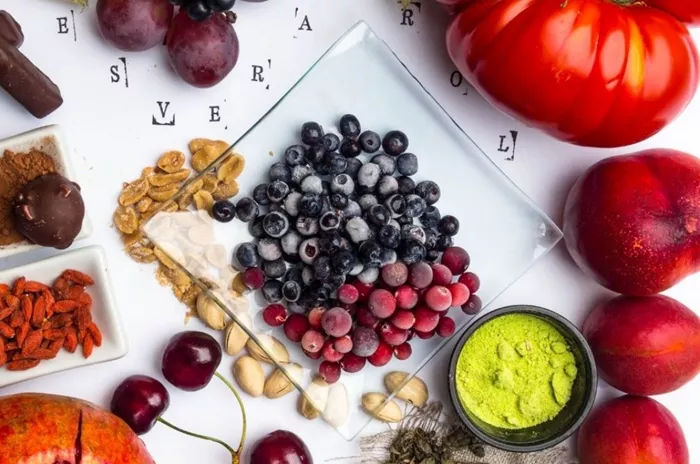
A comprehensive review from the University of Reading suggests that daily consumption of flavonoid-rich foods—such as berries, citrus, cocoa, and tea—may modestly improve mood and emotional well-being.
Rising Mental Health Concerns and Dietary Interest
Global rates of depression and anxiety have increased since the COVID-19 pandemic, intensifying interest in accessible, food-based strategies for mental health. Flavonoids, plant compounds found in fruits and beverages, cross the blood–brain barrier and may influence neurotransmitters and neuroplasticity. However, findings from individual studies vary widely, prompting the need for a systematic assessment.
Review Methods and Inclusion Criteria
The review followed PRISMA 2020 guidelines and was preregistered in PROSPERO. Eligible studies included experimental human trials that provided whole foods or freeze-dried powders containing at least 15 mg of flavonoids per 100 g or mL. Outcomes had to measure mood or emotional well-being. Trials using flavonoid extracts, red wine, or participants with conditions affecting hormone balance or physical health were excluded.
Types of Interventions and Mood Measures
Thirty-eight datasets comprising 1,972 participants met eligibility criteria. Interventions included wild blueberries, mixed berries, purple grape juice, orange juice, cocoa, green tea, peppermint, nuts, soy, and apples. Cocoa and wild blueberries were the most common. Study durations ranged from five days to one year. Mood was assessed using validated tools such as the Positive and Negative Affect Schedule, State-Trait Anxiety Inventory, Beck Depression Inventory, and other standardized scales.
Short-Term Effects Show Inconsistent Benefits
Acute findings were mixed. Five of thirteen short-term studies showed improvements, particularly with anthocyanin-rich foods. Several wild blueberry trials increased Positive Affect in children and young adults. Purple grape juice improved calmness, and one orange juice study showed favorable short-term responses. Many cocoa trials did not detect acute mood changes, suggesting that factors like dosage and food matrix may influence outcomes.
Longer-Term Intake Shows More Consistent Improvements
Chronic interventions produced more encouraging results. Twelve of twenty-five studies reported benefits, including reductions in depressive symptoms, anxiety, or negative affect. Positive findings were most common with daily intake of anthocyanin-rich foods such as wild blueberries, cherries, and certain juices over several weeks. Effective flavonoid intake ranged widely—from 30 to 774 mg of anthocyanins per day. Several studies reported no change, indicating that dose, duration, baseline diet, and measurement tools affect outcomes.
Conclusion
Observational data, including large national surveys, link higher anthocyanin intake with lower rates of depression. While the experimental evidence is mixed, daily intake of flavonoid-rich foods may support mood, particularly during periods of stress. Simple strategies—adding berries to breakfast, choosing citrus snacks, or consuming dark chocolate in moderation—may offer small but meaningful benefits when practiced consistently.
Related topics
