
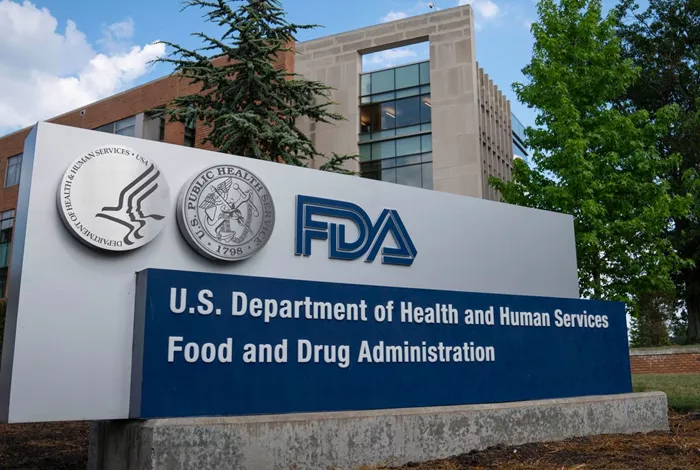
The U.S. Food and Drug Administration (FDA) has tightened access to the Duchenne muscular dystrophy gene therapy Elevidys after two teenagers died from acute liver failure linked to the treatment. The agency will now limit use to ambulatory boys age 4 and older, narrowing eligibility from earlier guidelines that allowed treatment of non-ambulatory patients.
FDA officials said a recent safety review confirmed that both adolescents developed severe liver injury shortly after infusion and later died. The agency has added a boxed warning—the most stringent safety alert—to emphasize the risks of serious liver damage, acute liver failure, and death. The previous label mentioned liver injury but did not cite liver failure or mortality.
Sarepta Therapeutics, the Cambridge-based manufacturer, reported that it had already stopped shipping Elevidys for use in non-ambulatory patients. The company says the therapy has been administered to approximately 1,100 patients worldwide. Sarepta executives told regulators that the updated labeling would help clinicians and families make more informed decisions.
Elevidys is a one-time gene infusion intended to slow progression of Duchenne muscular dystrophy, a genetic condition that weakens skeletal and cardiac muscles. The disease primarily affects boys, and many patients do not live beyond age 30. Loss of independent mobility typically occurs around age 12.
The FDA’s concerns intensified after Sarepta disclosed an additional liver-related death in a 51-year-old participant involved in an early-stage trial for a different muscular dystrophy therapy. The company’s development program has long drawn scrutiny at the agency, where several approvals were granted despite internal scientific objections regarding limited evidence of efficacy.
In May 2025, Dr. Vinay Prasad, a hematologist-oncologist known for criticizing prior Sarepta approvals, joined the FDA to lead its gene-therapy division. He briefly resigned under political pressure related to disputes over muscular dystrophy drug approvals, but agency leadership later reinstated him.
The FDA is advising clinicians to closely monitor liver function for a minimum of three months following Elevidys administration. Meanwhile, Sarepta is engaged in further discussions with regulators after a recent study of its non–gene therapy Duchenne drug candidates failed to demonstrate clear benefit. The company attributes the findings to pandemic-related disruptions and says it still plans to pursue full approval.
Related topics
