
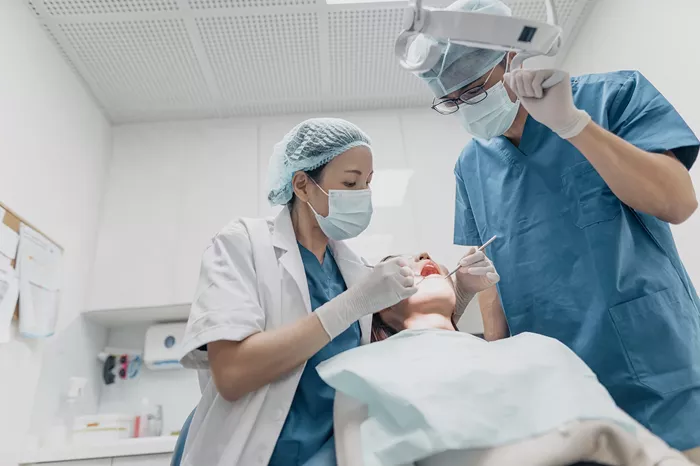
A busy day at Michigan State University’s Dental Clinic highlighted a community-driven effort to provide free dental care to former service members.
The event is part of the clinic’s ongoing outreach, which also includes free care days for children and a sliding-fee program for patients without insurance. The initiative aims to address gaps in access to dental services for veterans and to offer hands-on learning opportunities for dental students.
A notable portion of eligible veterans does not qualify for dental benefits through the Department of Veterans Affairs (VA). Data from CareQuest shows that while roughly nine million veterans are eligible for VA health care, about 85% do not qualify for VA dental benefits.
This creates substantial barriers to routine dental care for many veterans. In this context, the MSU Dental Clinic’s free-care days provide a safety net, offering essential evaluations, cleanings, and other procedures that might otherwise be financially out of reach.
Dr. Bryan Johnson, a supervising clinician at the clinic, described the program as a meaningful resource for veterans who may otherwise lack access to dental care. He emphasized the value of a “dental home” where veterans can receive care and potentially identify and address dental issues early.
He also noted the mutual benefit for students, who gain real-world experience caring for diverse patient populations while reinforcing the importance of community service.
The clinic maintains a sliding-fee scale to ensure affordability for patients who lack insurance or face financial constraints. If a veteran or other patient cannot pay the full price, the clinic offers substantial reductions, including options to lower fees by approximately half. The goal is to create an inclusive environment where all patients feel welcome and respected, regardless of their dental history or background.
Programs that blend free care days with training opportunities for students can help address inequities in access to dental care while enhancing clinical education.
By providing care in a nonjudgmental setting, the clinic aims to reduce barriers that might deter individuals from seeking routine dental services, potentially improving oral health outcomes across communities.
Related topics
