
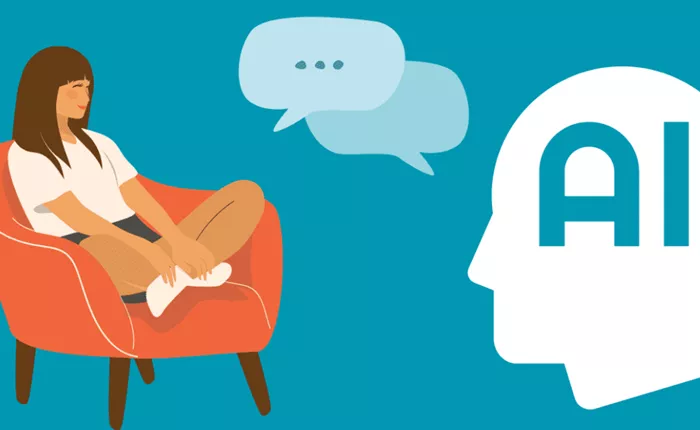
In 2025, therapy is taking an unexpected turn — one led by algorithms instead of armchairs. Across Australia, thousands are opening up not to counsellors, but to ChatGPT. The trend is undeniable: a 167 per cent surge in online searches for “ChatGPT therapy” this year alone, with over 8,000 Australians each month turning to artificial intelligence for reassurance, reflection, and relief.
With Medicare limits restricting subsidised psychology sessions and the rising cost of living amplifying emotional strain, it’s no surprise that many see AI as an accessible, always-available companion. Yet this growing dependence on digital dialogue raises a crucial question — can code truly provide comfort, or does it signal a deeper societal cry for connection?
Expert Insight: A Tool, Not a Therapist
Neuroscientist and longevity researcher Dr Brian Ramos has been monitoring this cultural shift with both intrigue and caution. “People are struggling to access affordable therapy precisely when they need it most,” he explains. “ChatGPT can bridge the gap for those with mild or sub-clinical needs, or supplement ongoing therapy. But it cannot replace human empathy or clinical expertise.”
Dr Ramos, who collaborates with cognitive-enhancement company Simply Nootropics, likens AI-assisted therapy to a mindfulness tool — beneficial when used purposefully, but risky when it becomes a stand-in for professional or community-based care. “It’s a supplement, not a substitute,” he emphasises. “If it supports your well-being and finances, use it wisely. But when deeper psychological issues arise, seek qualified help.”
The Comfort — and Convenience — of Code
For many Australians, ChatGPT functions as the therapist who never sleeps. It offers calming exercises, reframing prompts, and even reminders to breathe between meetings. According to Dr Ramos, immediacy is one of its key advantages: “When anxiety strikes at 2 a.m. or panic begins to build, having a responsive system at your fingertips can interrupt that stress cycle before it escalates.”
The technology also supports personal growth by encouraging small, consistent habits — hydration, mindfulness, and sleep hygiene. Ramos refers to these as “micro-habits” that gradually enhance mental health and resilience.
Even social confidence has found an unexpected digital ally. Through role-playing scenarios and conversational feedback, ChatGPT helps users practise difficult interactions, such as confronting a colleague or preparing for a presentation. “It’s like a mirror that talks back,” says Ramos, “but without judgement.”
The Psychological Risks of Overreliance
Despite its potential, AI-assisted therapy carries inherent limitations. It lacks emotional nuance, ethical accountability, and true empathy. “ChatGPT doesn’t understand human suffering; it can only simulate care,” Dr Ramos warns. “Generic advice or incorrect responses during a crisis can be dangerous.”
Emerging reports of “ChatGPT psychosis” — where users blur the boundary between reality and AI — highlight these concerns. Ramos stresses that individuals experiencing severe depression, addiction, or delusional thinking should avoid substituting AI for clinical intervention. “When you’re in deep distress, what heals you isn’t data; it’s human connection.”
Unchecked use can also breed dependency — an overreliance that reinforces isolation rather than resolving it. “Know when to step back,” Ramos advises. “If your mental health needs surpass self-help or CBT-style guidance, that’s the moment to reconnect with real people and professional support.”
A Mirror of Modern Society
The popularity of ChatGPT therapy reflects more than a technological trend — it mirrors a culture stretched thin by economic strain and emotional fatigue. Australians aren’t just seeking therapy; they’re seeking someone, or something, to listen.
AI may fill that gap temporarily, serving as a digital mirror in moments of solitude. Yet as Dr Ramos reminds us, reflection is not the same as relationship. “ChatGPT can guide us toward better well-being,” he says, “but ultimately, it must lead us back to one another.”
Because while the therapy of the future may be powered by code, the language of healing — empathy, compassion, and human touch — remains profoundly human.
Related topics
