
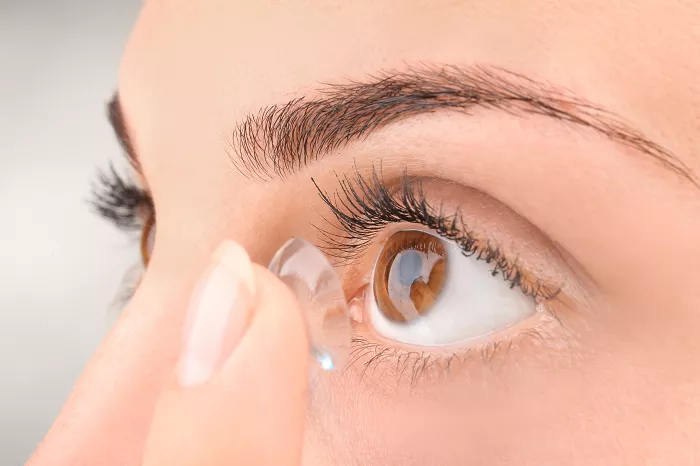
The United States prosthetic contact lenses market is poised for significant growth, projected to expand at a compound annual growth rate (CAGR) through 2031. As of 2023, the market reached an estimated value of several billion dollars, with experts anticipating continued expansion driven by innovations in eye care and increasing demand for customized solutions. This growth is supported by advancements in materials, technology, and a rising awareness of the role of prosthetic lenses in both functional and cosmetic rehabilitation.
Recent Developments in the U.S. Prosthetic Contact Lenses Industry
The prosthetic contact lens market in the U.S. has witnessed several key developments in recent years, which reflect the growing demand for highly customized and functional lenses.
Expansion of Custom Scleral Lenses (November 2025): EyePrintPROTM, a product by the Miami Contact Lens Institute, expanded its services nationwide. The custom scleral lenses are designed for individuals with severe corneal irregularities or ocular trauma. These lenses are made from oxygen-permeable materials and offer a precise fit, signaling a trend toward increased accessibility of high-end prosthetic lenses across U.S. eye-care practices.
Soft Prosthetic Lenses for Pediatric Use (October 2025): Medcorp International introduced soft prosthetic lenses designed for pediatric patients suffering from iris defects. These lenses combine cosmetic restoration and vision correction, highlighting the broader applications of prosthetic lenses, particularly in pediatric care.
Regulatory Oversight and Safety (September 2025): In a significant regulatory move, the FDA issued new guidelines to ensure that prosthetic contact lenses meet Class II medical device standards. The guidelines require manufacturers to provide comprehensive fit-validation and biocompatibility data, thereby enhancing patient safety and standardizing industry practices.
Drivers of Growth in the U.S. Prosthetic Contact Lenses Market
The market for prosthetic contact lenses in the U.S. is expanding due to several factors:
Rising Prevalence of Ocular Disorders: The increasing occurrence of eye conditions like aniridia, corneal scarring, and eye trauma, coupled with the aging population, has boosted the demand for prosthetic lenses. As more people seek solutions to address both functional and cosmetic concerns, the market continues to grow.
Advancements in Materials and Technology: Innovations in lens materials, such as silicone hydrogels and rigid gas permeable (RGP) materials, have improved the comfort, durability, and oxygen permeability of prosthetic lenses. This has made long-term wear more feasible and comfortable for patients. Additionally, the use of computer-assisted design and 3D printing technologies has allowed for more personalized lens fabrication, further driving the market.
Increased Clinical Acceptance: As more ophthalmologists and optometrists recognize the dual benefits of prosthetic lenses—cosmetic and functional—demand has risen. Lenses that not only restore natural appearance but also improve vision are increasingly seen as viable solutions for patients with disfigured or non-seeing eyes.
Growing Patient Awareness: Public education and awareness campaigns about vision rehabilitation have helped more people recognize the benefits of prosthetic lenses. Increased consultation with eye-care professionals is leading to higher adoption rates.
Market Segmentation and Key Players
The U.S. prosthetic contact lenses market can be segmented into several categories based on product type, material, patient demographic, indication, and distribution channel:
By Product Type: The market includes customized prosthetic contact lenses, soft prosthetic lenses, and scleral prosthetic lenses. Customized lenses are the most dominant category, prized for their aesthetic appeal and tailored fit.
By Material Type: Key materials include polymethyl methacrylate (PMMA), silicone hydrogels, and RGP materials. Silicone hydrogel lenses are particularly popular due to their oxygen permeability, offering better comfort for extended wear.
By Patient Type: The largest market segment consists of sighted patients, who use prosthetic lenses for both cosmetic enhancement and vision correction. Non-sighted patients mainly use lenses for cosmetic rehabilitation.
By Indication: The market is driven by conditions like eye trauma, congenital disorders, and corneal scarring. Eye trauma is the leading indication due to the increasing number of ocular injuries.
By Distribution Channel: Retail pharmacies dominate the distribution of prosthetic lenses, although online pharmacies are experiencing rapid growth due to the convenience they offer.
Related topics
