
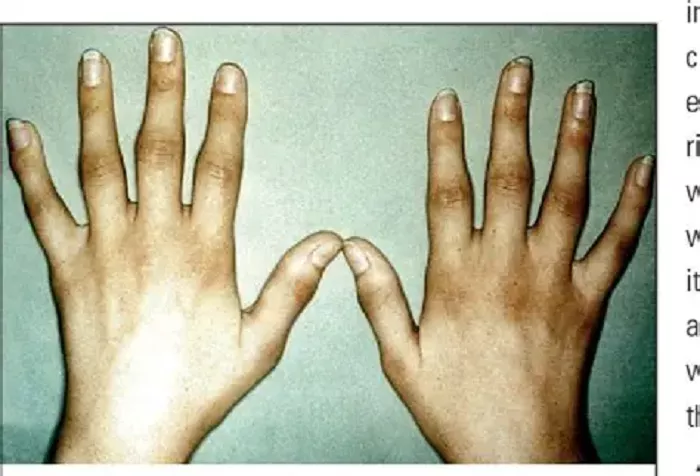
The European Alliance of Associations for Rheumatology (EULAR) has established the first classification criteria for hemochromatosis arthropathy (HA), a distinct joint disorder associated with hereditary hemochromatosis.
Published through a rigorous methodological process, these criteria address a critical gap in rheumatology practice where HA has historically been underrecognized and poorly characterized. The new classification system will enable more consistent patient identification for clinical research and improve understanding of this iron overload-related joint disease.
Methodology and Development Process
EULAR convened a multidisciplinary working group including healthcare professionals and patient research partners to develop the criteria through a three-phase project:
- Systematic review of HA clinical features
- Consensus-based item selection
Validation testing in confirmed HA patients and controls with mimicking conditions (including generalized osteoarthritis and calcium pyrophosphate deposition disease)
The process analyzed data from unique derivation cohorts to ensure robust criterion development.
Classification Model and Scoring System
The resulting point-based model utilizes eight clinically accessible variables:
- Age at symptom onset
- Clinical and imaging features of metacarpophalangeal joints
- Distal interphalangeal joint involvement
- Ankle joint characteristics
History of hip or ankle surgery
Patients must score ≥5 points (maximum 11) across at least three criteria to meet classification thresholds. The system demonstrates excellent diagnostic performance with 93.3% specificity and 71.4% sensitivity in distinguishing HA from similar arthropathies.
Clinical Application and Limitations
The criteria are specifically designed for research recruitment rather than diagnostic purposes. Key application considerations include:
- Requirement of confirmed C282Y homozygous HFE mutation
- Evidence of historical iron overload
- Exclusion of better-explained alternative diagnoses
All assessment components are readily available in routine clinical practice, facilitating implementation across diverse healthcare settings.
Research Implications and Future Directions
“This classification system represents a critical advancement for hemochromatosis research,” stated the lead researcher. “By enabling consistent patient identification, we can accelerate investigations into disease mechanisms and therapeutic development.” While requiring external validation in independent cohorts, the criteria provide a foundational framework for standardizing HA research inclusion criteria internationally.
Patient Impact and Therapeutic Development
The classification criteria may ultimately support earlier detection and intervention for HA patients, who frequently experience diagnostic delays due to the condition’s similarity to other common arthropathies.
Improved characterization could also facilitate targeted therapeutic approaches addressing the unique pathophysiology of iron overload-related joint damage. EULAR anticipates these criteria will stimulate increased research interest and ultimately contribute to better management strategies for this understudied condition.
Related topics
