
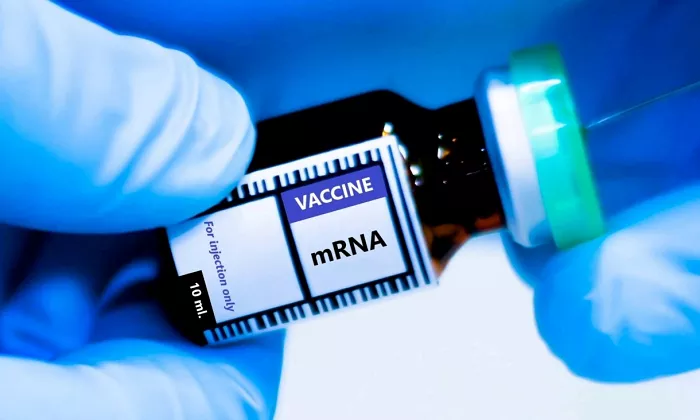
MIT bioengineers have identified a select group of immunogenic peptides from over 4,000 bacterial proteins that could lead to a new tuberculosis vaccine, according to a study published in Science Translational Medicine. Tuberculosis remains the world’s deadliest infectious disease, claiming over one million lives annually.
The current century-old BCG vaccine provides inadequate protection for adults, creating an urgent need for more effective prevention strategies. This research represents a significant advancement in developing next-generation TB vaccines.
Innovative Screening Methodology
The research team developed a novel approach to identify promising vaccine candidates by focusing on which TB proteins infected human cells display to the immune system.
When immune cells like phagocytes become infected with Mycobacterium tuberculosis, bacterial proteins are fragmented into peptides that surface on MHC proteins, signaling T cells to mount an immune response. The team infected human phagocytes with TB bacteria and used mass spectrometry to identify which peptides bound to MHC-II molecules – crucial for activating helper T cells that coordinate immune responses.
Key Findings and Antigen Identification
The screening revealed 27 tuberculosis peptides from 13 proteins that most frequently appeared on infected cells. Subsequent testing with T cells from previously TB-infected donors showed that 24 peptides elicited immune responses in at least some samples.
Notably, no single protein worked universally across all donors, suggesting that an effective vaccine would require combining multiple antigens. The most promising candidates included proteins from the Type 7 Secretion System (T7SS), particularly EsxA, EsxB, and EsxG, which help bacteria escape phagocytic containment.
mRNA Vaccine Development and Optimization
Researchers created mRNA vaccines encoding EsxB and EsxG protein sequences, engineering versions targeting different cellular compartments. Vaccines targeting lysosomes – cellular organelles that break down molecules – proved most effective, showing 1,000-fold greater TB peptide presentation compared to other versions.
Performance improved further with added EsxA, which forms heterodimers that can penetrate lysosomal membranes. This optimized approach demonstrates the potential of mRNA technology for TB vaccination.
Research Significance and Future Directions
“This work shifts the paradigm from examining all 4,000 TB proteins to focusing on those actually presented to the immune system,” explained senior author Bryson.
The team is now testing an eight-protein combination that may provide broad protection across diverse populations. Future work will involve animal model protection studies, with human trials potentially several years away. The research received funding from MIT’s Koch Institute, NIH, and other leading research institutions.
Global Health Implications
With TB incidence rising and drug-resistant strains emerging, this research provides crucial groundwork for developing more effective vaccines.
The mRNA platform approach could potentially be adapted for other intracellular pathogens, representing a significant advancement in vaccine development technology. As researchers continue to validate their multi-antigen strategy, this work moves us closer to addressing one of global health’s most persistent challenges.
Related topics:
