
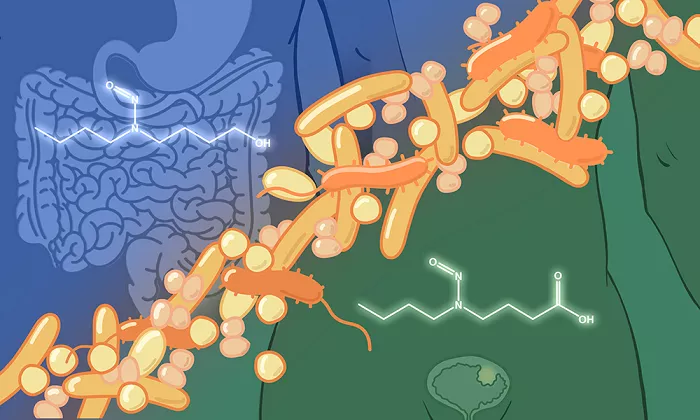
A groundbreaking study published in The FEBS Journalreveals how specific gut bacteria metabolize dietary nitrogen compounds to prevent the formation of cancer-causing substances. The research demonstrates that certain bacterial strains
particularly Escherichia coli and to a lesser extent species of Lactobacillus, Bacteroides, and Faecalibacterium, can effectively process nitrate and nitrite, thereby blocking the production of carcinogenic nitrosamines. These findings highlight the crucial protective role of gut microbiota in nitrogen metabolism and its potential implications for cancer prevention.
Mechanism of Protection
The study elucidates the precise metabolic pathways through which beneficial gut bacteria interact with dietary nitrogen compounds:
Bacteria compete with chemical pathways that would otherwise convert nitrates and nitrites into harmful nitrosamines
This microbial metabolism redirects nitrogen compounds toward less harmful byproducts
The process effectively reduces the accumulation of carcinogenic compounds in the gastrointestinal tract
This protective mechanism represents a previously underappreciated aspect of the gut microbiome’s role in maintaining systemic health.
Key Bacterial Species Identified
Researchers identified Escherichia coli as the most efficient processor of nitrogen compounds among the bacteria studied. Several other commensal bacteria also demonstrated significant metabolic capabilities:
- Lactobacillus species: Showed moderate nitrosamine-inhibiting activity
- Bacteroides species: Contributed to nitrogen compound processing
- Faecalibacterium species: Participated in the protective metabolic pathways
The relative abundance and activity of these bacteria appear crucial for optimal nitrogen metabolism.
Ecological Importance for Gut Microbiota
Beyond the direct health benefits, the study revealed that nitrogen metabolism provides essential survival advantages for the bacteria themselves:
- Efficient nitrogen processing enables better colonization and persistence in the gut environment
- This metabolic capability supports a stable microbial community structure
- Disruption of these bacterial populations could lead to detrimental changes in gut microbiome composition
The findings suggest a symbiotic relationship where both host and microbes benefit from these metabolic activities.
Health Implications and Disease Prevention
The research provides mechanistic insights into how gut microbiota may influence cancer risk:
Regular consumption of nitrate-rich foods (such as leafy vegetables) coupled with healthy microbiota may offer protection against gastrointestinal cancers
Dysbiosis (microbial imbalance) might impair this protective function, potentially increasing cancer susceptibility
The findings help explain epidemiological observations linking diet, gut health, and cancer incidence
Research Methodology and Future Directions
The investigation employed sophisticated in vitro models simulating human gut conditions to analyze bacterial metabolic activities. Future research will focus on:
- Validating these findings in human clinical studies
- Examining how dietary patterns influence these protective microbial functions
- Exploring potential probiotic applications for high-risk populations
- Investigating interactions between different bacterial species in nitrogen metabolism
Related topics:
