
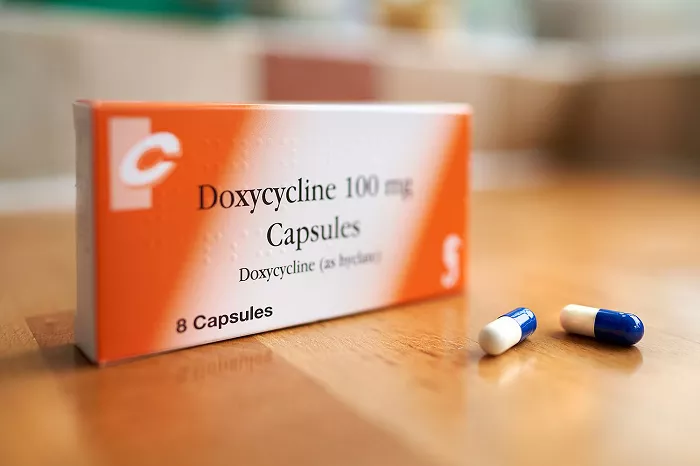
A new study reveals that doxycycline, a widely used antibiotic, may significantly reduce the risk of developing schizophrenia in young adults receiving mental health services. The international collaboration between the University of Edinburgh, University of Oulu, and University College Dublin analyzed large-scale healthcare registry data from Finland
finding that adolescents treated with doxycycline were 30-35% less likely to develop schizophrenia later in life compared to those receiving other antibiotics. Published in a leading psychiatric journal, these findings highlight the potential for repurposing existing medications as preventive interventions for severe mental disorders.
Methodology and Study Population
Researchers applied advanced statistical models to Finnish national healthcare registries, examining data from over 56,000 adolescents who received mental health services and antibiotic treatment between 2006 and 2019.
The team compared outcomes between those prescribed doxycycline versus other antibiotics, following participants for several years to track schizophrenia diagnoses. The large sample size and comprehensive follow-up provided robust evidence for the protective association observed.
Key Findings and Risk Reduction
The analysis demonstrated a substantial risk reduction among doxycycline users:
- 30-35% lower incidence of schizophrenia diagnosis in early adulthood
- Consistent protective effect across different demographic groups
- Risk reduction remained significant after controlling for multiple confounding factors
Notably, the protective association was specific to doxycycline rather than a class effect of tetracycline antibiotics.
Potential Mechanisms of Action
Researchers propose several biological mechanisms that may explain doxycycline’s protective effects:
Anti-inflammatory properties: Doxycycline reduces microglial activation and neuroinflammation, processes implicated in schizophrenia pathogenesis
Matrix metalloproteinase inhibition: Modulates synaptic pruning and neural circuit refinement during adolescent brain development
Glutamate regulation: Influences excitatory neurotransmission systems frequently disrupted in psychosis
The timing of administration during adolescence – a critical period for synaptic reorganization – may be particularly important for its preventive effects.
Clinical Implications and Future Directions
“These findings open exciting possibilities for preventive psychiatry,” stated the lead investigator. “Doxycycline’s established safety profile and low cost make it an ideal candidate for repurposing studies.”
The research team emphasizes that while these observational findings are promising, randomized controlled trials are needed to establish causality and determine optimal dosing strategies. Future research will also explore whether the protective effects extend to other psychiatric disorders involving neuroinflammation.
Research Context and Innovation
This study represents a novel approach to mental health prevention by leveraging existing medications with favorable safety profiles. Schizophrenia affects approximately 1% of the global population, typically emerging in late adolescence or early adulthood, with limited preventive options currently available.
The potential to use a common antibiotic to modify disease trajectory could significantly impact early intervention strategies worldwide. The research team is now planning multinational clinical trials to validate these findings and explore implementation pathways.
Related topics:
