
Researchers from the Wellcome Sanger Institute, Genomics England, and Cambridge University Hospitals have developed a groundbreaking genomic approach that enables diagnosis for multiple individuals with rare diseases by identifying complex structural genetic changes frequently missed by standard testing.
The team analyzed DNA from 13,700 parents and children participating in the 100,000 Genomes Project, focusing on structural variants that directly disrupt genes involved in child development. Published in Nature Communications on November 3rd, this research represents a significant advancement in genomic medicine, particularly for cases that have remained undiagnosed through conventional genetic testing methods.
The Challenge of Complex Structural Variants
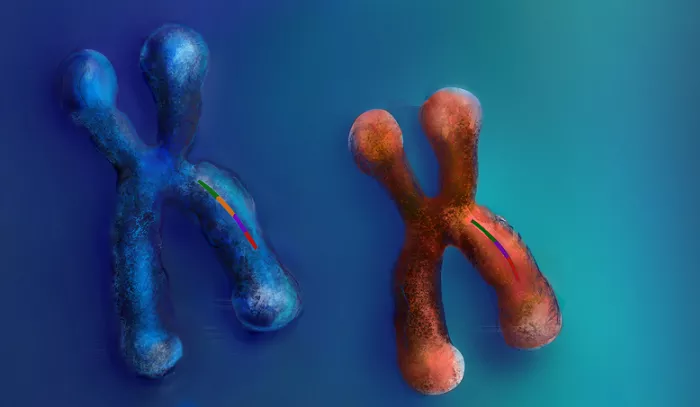
Structural variants occur when substantial segments of DNA (over 50 base pairs) are rearranged or deleted, and when they affect developmental genes, they can cause significant health conditions. The study revealed that one in eight structural variants are complex, typically involving multiple changes simultaneously, and are twice as likely to be missed by current clinical tests.
Traditional genomic testing methods examine small DNA segments individually, making it challenging to reconstruct larger structural rearrangements accurately. This complexity requires substantial technical expertise, as errors can lead to misinformation about affected genes and their clinical significance.
Diagnostic Breakthroughs and Clinical Impact
The newly developed pipeline identified 13,700 structural variants across 1,870 genomes, leading to updated diagnoses for 145 children with rare diseases. Approximately 60 of these patients had variants particularly difficult to detect with other genetic testing methods.
The research demonstrated that structural rearrangements play crucial roles in various health conditions, including neurological, skeletal, dermatological, and neurodevelopmental disorders, as well as diseases affecting kidney function. For many families, these diagnoses provided long-sought answers and access to previously unavailable support services.
Technical Advancements and Variant Classification
The research team established a robust analytical pipeline that overcame previous limitations by enabling comprehensive identification and classification of structural variants into distinct functional subtypes. Dr. Hyunchul Jung from the Wellcome Sanger Institute explained, “This new approach allows us to identify and analyze complex structural variants, opening new possibilities for understanding and managing health conditions.
We’ve shown it’s not just about finding deletions or duplications, but how these changes occur together – something previously impossible to see.” The team categorized structural variants into nine distinct types, demonstrating their varying functional impacts on patients.
Clinical Implications and Family Perspectives
Professor Helen Firth from Cambridge University Hospitals emphasized the real-world impact: “Receiving a diagnosis often enables families to access support that was previously unavailable and, in some cases, begins to answer questions about why this occurred and help manage it.”
The research highlights how structural variants, particularly complex ones, represent crucial diagnostic clues that can explain otherwise unresolved cases and provide insights into how conditions might progress, enabling more proactive clinical management and family planning decisions.
Future Applications and Research Directions
According to senior author Dr. Raheleh Rahbari from the Wellcome Sanger Institute, “Integrating the power of genomic research into clinical pipelines, especially as sequencing becomes more common within the NHS and globally, can highlight new approaches to help patients and families.”
Future research will focus on leveraging these findings to improve disease management strategies, such as monitoring patients more closely for early intervention or developing new methods to address or prevent symptoms based on understanding how specific variants contribute to disease progression.
Related topics
