
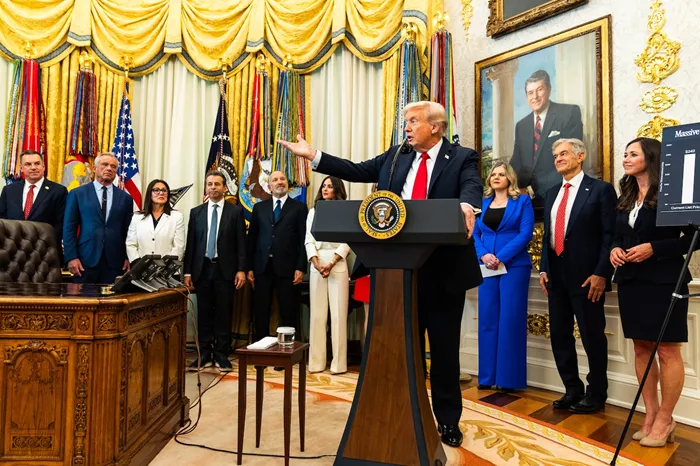
The Trump administration’s budget and staffing cuts have dramatically weakened the federal agency responsible for addressing addiction and mental health treatment across the United States. According to a STAT investigation, the Substance Abuse and Mental Health Services Administration (SAMHSA) has seen its operations nearly paralyzed after extensive layoffs and funding reductions. The agency, once central to coordinating national mental health initiatives, now struggles to maintain its core functions.
Severe Funding Cuts Leave States and Providers Struggling
Since January, SAMHSA has terminated $1.7 billion in block grants previously distributed to state health departments. These funds were crucial for supporting local addiction recovery programs, community mental health initiatives, and prevention efforts. Additionally, the administration has slashed approximately $350 million in addiction and overdose prevention funding. These reductions have caused widespread concern among local governments, nonprofit organizations, and behavioral health providers, many of whom depend on federal grants for both operations and staff training.
Impact on the Center for Mental Health Services
The Center for Mental Health Services (CMHS), a key division within SAMHSA, has experienced particularly devastating losses. More than half of its 130 employees have been dismissed, leaving critical programs without leadership or direction. Nearly all personnel dedicated to youth mental health programs have been removed, with only one remaining staff member to oversee the entire area. These cuts jeopardize essential initiatives designed to support children and adolescents coping with depression, anxiety, and trauma.
Leadership Vacuums Exacerbate Institutional Paralysis
Of the agency’s roughly 900 employees at the start of the year, fewer than half remain. Only 5 of its 17 top senior leaders are still in position. Despite the ongoing crisis, the White House has not nominated a permanent administrator to lead SAMHSA. Instead, a relatively unknown deputy has been installed in an acting capacity, reportedly lacking the authority to defend or rebuild the agency’s workforce. This leadership vacuum has left critical decisions unresolved, further diminishing the agency’s ability to respond to the nation’s growing addiction and mental health challenges.
Consequences for National Mental Health Strategy
The dismantling of SAMHSA comes at a time when the United States faces an escalating mental health and addiction crisis. Rates of depression, suicide, and opioid-related overdoses have surged nationwide. Experts warn that weakening the federal infrastructure dedicated to addressing these issues will have long-term consequences for public health, particularly in underserved communities. Without sufficient funding, state and local agencies may be unable to sustain prevention and treatment programs, leading to increased hospitalization rates, higher mortality, and reduced access to care.
Widespread Alarm Among Health Professionals
Health advocates, researchers, and state officials have expressed deep concern over the administration’s actions. Many fear that dismantling SAMHSA will erode decades of progress in integrating mental health services into primary care systems and expanding addiction treatment accessibility. “These cuts are not just numbers—they represent lives and families affected by untreated mental illness and substance abuse,” one public health official noted. The loss of experienced staff and the absence of federal coordination threaten to undo years of collaborative work across sectors.
Conclusion
The Trump administration’s deep cuts to the federal addiction and mental health agency have significantly undermined national efforts to combat one of the country’s most urgent public health challenges. Unless swift action is taken to restore funding, staffing, and leadership, millions of Americans may face worsening access to essential mental health and addiction services—further intensifying a crisis that already affects every corner of the nation.
Related topics
