
Canada is on track to lose its measles elimination status as an outbreak that began a year ago continues to spread, with more than 5,000 reported cases and two infant deaths. The United States could face a similar fate in the coming months, according to public health officials.
Origin and spread of the outbreak
The Canadian outbreak began in October 2024 in New Brunswick, a province on the country’s eastern seaboard.
As of Tuesday, more than 5,000 cases had been reported across the country, including two fatalities among babies.
Canada eliminated measles in 1998, followed by the United States in 2000.
Criteria for losing elimination status
The World Health Organization’s Pan American Health Organization (PAHO) is the body responsible for determining elimination status for countries in the Americas.
Lost status is tied to several criteria, including declines in vaccination rates in both countries.
The most decisive factor is ongoing measles transmission for a full year.
PAHO notes that to be considered as having lost elimination status, a country must experience 12 months of continuous transmission with the same genotype and the same virus strain.
Current status and PAHO’s assessment
Canada reached the 12-month transmission threshold this week, signaling a loss of elimination status.
PAHO is set to convene next week in Mexico City to analyze measles data through the end of October and to determine the formal status of North, Central, and South American countries.
Response and corrective actions
If elimination status is lost, a corrective action plan is requested to guide efforts to regain elimination.
While the United States is not expected to lose its elimination status at the upcoming PAHO meeting, given that its ongoing outbreak began in January, the situation remains closely monitored.
The U.S. has reported at least 1,618 measles cases so far this year, according to the Centers for Disease Control and Prevention. The West Texas outbreak has spread to other states, with more than 800 infections in Texas and New Mexico and three deaths, including two young girls.
Investigators are examining whether ongoing transmission in Arizona, Utah, and South Carolina is linked to the West Texas outbreak.
Expert perspectives
Immunization experts emphasize that the elimination status reflects regional successes and individual country efforts. “When we say that we sustain the elimination as a region, we are also acknowledging each country for their efforts,” said Daniel Salas, an immunization expert with PAHO.
The potential loss of Canada’s status serves as a wake-up call about vaccination coverage. Dr. Isaac Bogoch, an infectious diseases expert at the University of Toronto, described the situation as a reminder to improve overall public vaccination rates to prevent future outbreaks.
Vaccine efficacy and public health implications
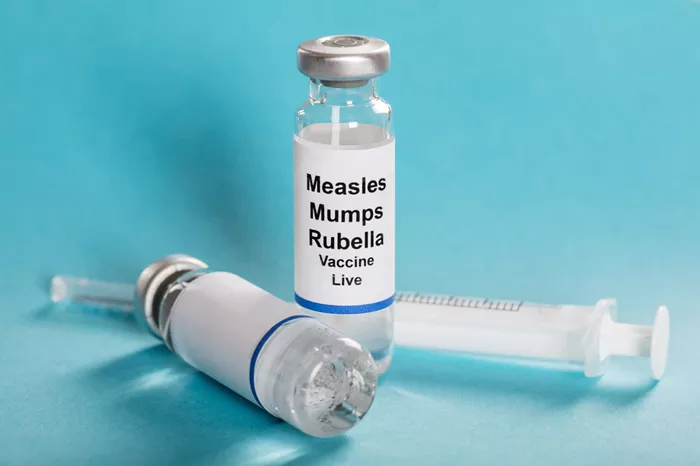
The measles-mumps-rubella (MMR) vaccine remains highly effective. According to the CDC, two doses—typically administered at ages 1 and 5—provide about 97% protection against measles infection.
The current transmission trends underscore the importance of maintaining high vaccination coverage to prevent outbreaks and preserve elimination status.
Key takeaways for readers
Canada appears likely to lose measles elimination status due to a year-long transmission period, with over 5,000 cases and infant deaths reported.
The United States faces a similar risk if transmission persists and vaccination rates do not rebound sufficiently.
Public health authorities stress the need for robust vaccination campaigns and high immunization coverage to restore and maintain elimination status.
Related topics
