
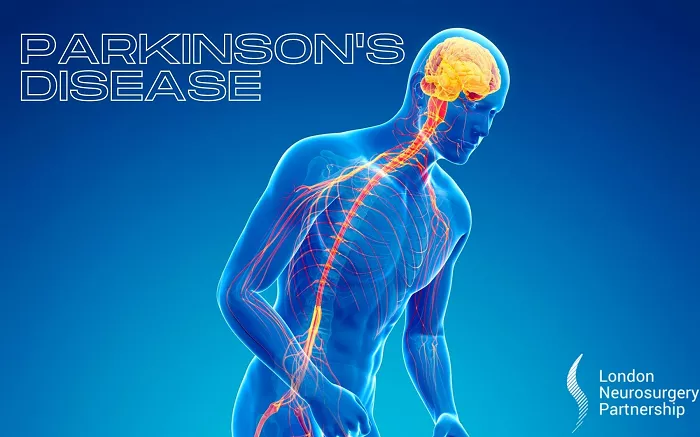
Parkinson’s disease represents a progressive neurodegenerative disorder characterized by both motor and non-motor symptoms that typically emerge gradually and worsen over time. This complex condition involves the loss of dopamine-producing neurons in the brain
particularly affecting areas responsible for movement coordination and automatic bodily functions. Early recognition and comprehensive management can significantly improve quality of life and functional outcomes for affected individuals through targeted interventions and supportive care.
Identifying Early Motor Symptoms and Presentation Patterns
Initial motor symptoms often appear asymmetrically, beginning on one side of the body before potentially spreading. Tremors typically manifest as “pill-rolling” movements between thumb and fingers, occurring at rest and diminishing during voluntary movement.
Muscle rigidity creates stiffness and resistance throughout the range of motion, while bradykinesia slows voluntary movements and reduces automatic movements like blinking or arm swinging. Postural instability develops later, increasing fall risk through impaired balance and coordination, often requiring assistive devices for safety.
Recognizing Non-Motor Manifestations and Systemic Effects
Non-motor symptoms frequently precede motor signs and significantly impact daily functioning. Autonomic nervous system involvement causes gastrointestinal issues including slowed gastric emptying, constipation, and swallowing difficulties.
Urinary symptoms feature urgency and frequency, while sleep disturbances encompass insomnia, REM sleep behavior disorder, and daytime fatigue. Visual changes include light sensitivity, dry eyes, and impaired contrast perception. Voice alterations produce hypophonia, monotone speech, and articulation difficulties that affect communication.
Addressing Cognitive and Psychiatric Considerations
Cognitive changes involve slowed information processing, executive dysfunction, and memory retrieval challenges that may progress to dementia in approximately 50% of cases. Psychiatric manifestations include depression, anxiety, apathy, and impulse control disorders that significantly impact quality of life.
Psychotic features may emerge with visual hallucinations and paranoid delusions, particularly in advanced disease or as medication side effects. These neuropsychiatric symptoms often prove more disabling than motor aspects, requiring integrated treatment approaches combining medication management with psychological support.
Understanding Disease Staging and Progression Patterns
Parkinson’s progression follows variable courses among individuals, typically categorized through clinical staging systems. The Hoehn and Yahr scale describes motor disability progression from unilateral involvement (stage 1) to bilateral disease without balance impairment (stage 2), progressing to postural instability (stage 3), severe disability (stage 4), and wheelchair dependence (stage 5).
Newer frameworks incorporate non-motor features and quality of life measures. Preclinical phases involve pathological changes without observable symptoms, followed by prodromal stages with subtle non-motor manifestations before reaching clinically apparent disease.
Implementing Comprehensive Treatment Strategies
Current management focuses on symptomatic control through pharmacological interventions, primarily levodopa preparations and dopamine agonists that help replenish dopamine signaling. Deep brain stimulation offers advanced treatment for medication-resistant motor fluctuations, targeting specific brain regions to improve motor control.
Non-pharmacological approaches include physical therapy for mobility and balance, occupational therapy for daily functioning adaptations, and speech therapy for communication difficulties and swallowing issues. Exercise programs specifically designed for Parkinson’s patients help maintain flexibility, strength, and coordination.
Monitoring Disease Complications and Emergent Issues
Late-stage complications include medication-related motor fluctuations, dyskinesias (involuntary movements), and wearing-off phenomena where medication effects shorten between doses. Neuropsychological issues may progress to dementia in approximately 50% of cases, requiring additional cognitive support and safety monitoring.
Autonomic dysfunction can cause orthostatic hypotension (blood pressure drops when standing), thermoregulatory issues, and gastrointestinal problems. Regular monitoring helps adjust treatments addressing emerging symptoms while maintaining function and comfort through disease progression.
Providing Supportive Care and Quality of Life Maintenance
Multidisciplinary care teams optimize management through coordinated specialist input including neurologists, physical therapists, occupational therapists, speech-language pathologists, and mental health professionals. Nutritional support addresses swallowing difficulties and medication-nutrient interactions, particularly protein timing for levodopa users.
Exercise programs maintain mobility and reduce complication risks through targeted activities like boxing, tai chi, and dance therapy. Advanced care planning ensures alignment between treatment goals and patient values throughout disease progression, including discussions about future care needs and quality of life priorities. Support groups and caregiver education provide essential emotional support and practical strategies for managing daily challenges.
Related topics
