
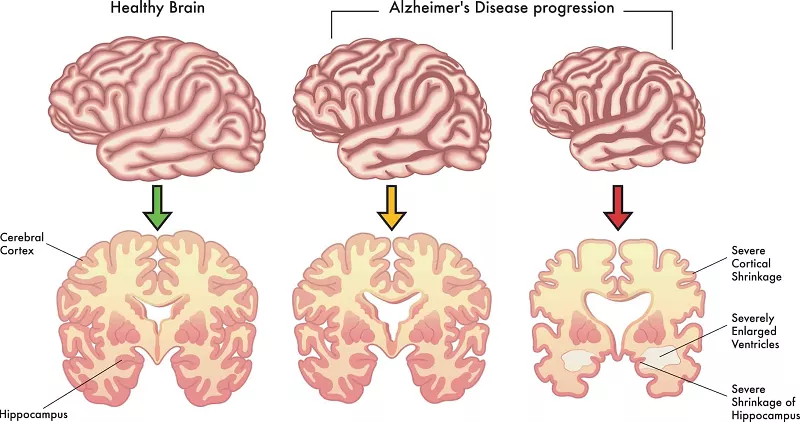
Alzheimer’s disease management focuses on symptom alleviation and disease progression slowing rather than cure, with existing treatments providing modest benefits for some patients while researchers continue developing more effective interventions.
Current therapeutic strategies combine pharmacological approaches with comprehensive care plans addressing cognitive, functional, and behavioral aspects of the disease through personalized treatment plans that evolve as the disease progresses.
Examining FDA-Approved Disease-Modifying Therapies
Recent advancements include monoclonal antibodies targeting amyloid beta plaques. Donanemab (Kisunla) and lecanemab (Leqembi) represent breakthrough treatments demonstrating ability to reduce amyloid accumulation and slow cognitive decline in early-stage Alzheimer’s patients.
These biologics require careful patient selection and monitoring due to potential side effects, including brain swelling (ARIA-E) and microhemorrhages (ARIA-H). Treatment decisions involve weighing potential benefits against risks through shared decision-making between patients, families, and healthcare providers, including genetic testing for APOE4 status which influences risk profiles.
Utilizing Cholinesterase Inhibitors for Symptom Management
Acetylcholinesterase inhibitors remain first-line pharmacological treatment for mild to moderate Alzheimer’s, helping to maintain cognitive function and delay nursing home placement. These medications, including donepezil (Aricept), galantamine (Razadyne), and rivastigmine (Exelon), work by preserving acetylcholine levels crucial for memory and learning processes.
Approximately 50% of patients experience temporary symptom stabilization for 6-12 months, with effects varying individually. Administration options include oral tablets, capsules, transdermal patches, and liquid formulations, allowing personalized approaches based on patient needs, preferences, and swallowing abilities.
Implementing NMDA Receptor Antagonists for Moderate to Severe Cases
Memantine (Namenda) addresses glutamate dysregulation in advanced Alzheimer’s by modulating NMDA receptor activity, providing benefits for functional abilities and behavioral symptoms. This mechanism helps reduce excitotoxicity while supporting cognitive function and daily living activities, particularly in moderate to severe stages where cholinesterase inhibitors show limited efficacy.
Combination therapy with cholinesterase inhibitors may provide synergistic benefits for some patients, though evidence remains mixed. The fixed-dose combination drug Namzaric combines memantine with donepezil, simplifying medication regimens for appropriate patients and improving adherence.
Addressing Behavioral and Psychological Symptoms
Comprehensive management includes treating neuropsychiatric symptoms such as depression, agitation, and sleep disturbances through both pharmacological and non-pharmacological approaches. Antidepressants, particularly SSRIs like citalopram and sertraline, help address mood symptoms with favorable side effect profiles
while carefully selected antipsychotics may manage severe agitation when non-pharmacological approaches fail, though with black box warnings for increased mortality risk in elderly dementia patients. Sleep disturbances often respond to improved sleep hygiene, melatonin supplementation, and targeted medications like trazodone, balancing efficacy with potential side effects and fall risks.
Investigating Emerging Therapies and Research Directions
Ongoing clinical trials explore novel mechanisms including tau-targeting therapies, anti-inflammatory approaches, and metabolic interventions that address multiple pathological pathways simultaneously. Alzheimer’s vaccine development represents another promising research direction, aiming to prevent or slow pathological processes through active and passive immunization strategies.
Nutritional supplements, including omega-3 fatty acids, vitamin E, and curcumin, show mixed results in clinical studies, requiring further investigation through rigorous, large-scale trials to establish efficacy and dosing protocols.
Considering Individualized Treatment Selection Factors
Treatment decisions incorporate multiple patient-specific factors including disease stage, cognitive and functional status, comorbid conditions, medication tolerance, and caregiver support capabilities through comprehensive geriatric assessment.
Regular treatment efficacy assessments using standardized cognitive and functional scales guide adjustments based on individual response and progression patterns, ensuring optimal benefit-risk balance. Advance care planning ensures alignment between treatment goals and patient values throughout disease course, incorporating preferences for aggressive interventions versus quality-of-life focus.
Implementing Comprehensive Non-Pharmacological Approaches
Optimal management combines pharmacological interventions with evidence-based non-pharmacological strategies including cognitive stimulation therapy, physical activity programs, social engagement, and comprehensive caregiver support and education. Environmental modifications, safety adaptations, and structured routines enhance quality of life while reducing behavioral symptoms and caregiver burden.
Nutritional support addresses common eating difficulties and weight maintenance challenges through modified food textures, feeding assistance, and calorie-dense supplements when needed. Multidisciplinary care teams including neurologists, geriatricians, nurses, social workers, and therapists provide coordinated care addressing the full spectrum of patient and caregiver needs.
Related topics
