
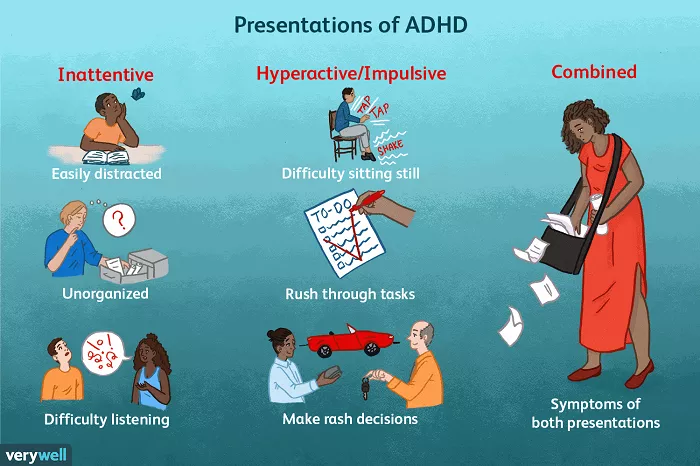
Adult diagnosis of Attention Deficit Hyperactivity Disorder represents a common yet frequently overlooked phenomenon, particularly among women whose symptoms often manifest differently than traditional diagnostic criteria suggest.
Many individuals reach middle adulthood before recognizing patterns that align with ADHD characteristics, often following decades of developing sophisticated coping mechanisms that mask underlying neurological differences. This delayed recognition does not indicate late onset but rather reflects limited awareness of how ADHD presents across different genders and developmental stages.
Examining Gender-Specific Presentation and Diagnostic Challenges
Women frequently exhibit less noticeable hyperactive symptoms, instead demonstrating primarily inattentive features that include difficulty sustaining attention, organizational challenges, and working memory issues.
These manifestations often get misattributed to personality traits, anxiety, or creativity rather than recognized as neurodevelopmental differences. The absence of classic hyperactivity combined with well-developed compensation strategies leads to underdiagnosis, particularly in high-achieving individuals who excel academically or professionally.
Exploring Common Diagnostic Pathways and Recognition Triggers
Many adults discover their ADHD through various pathways, including their children’s diagnostic processes where recognized symptoms mirror their own experiences.
Others encounter awareness through social media interactions, workplace accommodations, or mental health discussions that illuminate previously unexplained life patterns. These moments of recognition often create profound cognitive shifts as individuals reinterpret lifelong struggles through an ADHD lens.
Navigating Professional Assessment and Validation Processes
Proper diagnosis requires comprehensive evaluation by qualified healthcare professionals using standardized diagnostic criteria from the DSM-5 despite initial self-recognition.
Medical professionals assess childhood symptom presence, current functional impairment, and rule out other conditions through structured interviews, rating scales, and sometimes neuropsychological testing. Validation from multiple providers often brings relief and confirmation after years of unexplained challenges.
Understanding Compensation Mechanisms and Masking Behaviors
Many undiagnosed adults develop sophisticated adaptation systems, including meticulous organizational tools, rigid routines, and environmental modifications that minimize functional impairment.
These strategies often conceal underlying executive function difficulties, allowing professional success while requiring tremendous cognitive effort. The energy expenditure maintaining these systems frequently leads to exhaustion and mental health challenges despite outward competence.
Processing Diagnostic Implications and Emotional Responses
Receiving an ADHD diagnosis in adulthood typically triggers complex emotional responses, including validation, grief for lost opportunities, and optimism for future improvement.
Many individuals experience relief understanding lifelong struggles weren’t character flaws while simultaneously mourning years spent developing inefficient coping strategies. This emotional processing represents an essential component of integrating diagnosis into personal identity.
Implementing Post-Diagnosis Strategies and Treatment Approaches
Following diagnosis, adults typically explore various management strategies, including behavioral interventions, medication options, and environmental modifications.
Cognitive behavioral therapy addresses negative self-perceptions while stimulant medications often improve executive functioning. Workplace accommodations and assistive technologies further support functioning while reducing daily cognitive load.
Developing Self-Compassion and Revised Self-Narratives
Diagnosis frequently facilitates profound shifts in self-understanding, allowing individuals to reframe past struggles as neurodevelopmental differences rather than personal failures.
This cognitive restructuring reduces self-criticism and imposter syndrome while fostering self-acceptance. New narratives emphasize neurological diversity rather than character defects, promoting improved mental health and self-esteem.
Related topics:
