
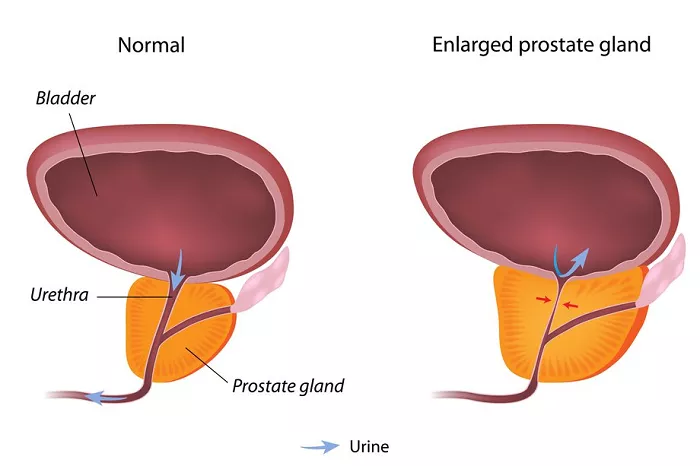
Benign prostatic hyperplasia (BPH) represents the most common prostate condition affecting aging men, characterized by non-cancerous enlargement of the prostate gland that develops through complex cellular proliferation processes in the transition zone.
This age-related phenomenon occurs in nearly all men with varying degrees of severity and symptom manifestation, resulting from hormonal changes, cellular growth factors, and stromal-epithelial interactions that promote glandular enlargement.
Understanding BPH’s progression, management options, and relationship to prostate cancer is essential for maintaining urological health throughout adulthood, as symptoms can significantly impact quality of life while requiring differentiation from malignant conditions that may present similarly but require different management approaches.
Age-Related Prevalence and Natural History Patterns
BPH demonstrates a clear age-dependent pattern with prevalence increasing steadily over decades, beginning histologically as early as age 30-40 and becoming clinically apparent in most men by age 60-70. Approximately 50% of men aged 51-60 exhibit BPH signs rising to 90% among octogenarians, though only one-third of affected men develop symptoms requiring medical intervention due to varying degrees of obstruction and bladder adaptation.
This progression typically occurs gradually over many years, allowing for appropriate monitoring and intervention timing through regular assessment of symptom severity, urinary function, and potential complications that might indicate need for treatment rather than continued observation without active management.
Differentiating BPH from Prostate Cancer and Coexistence Patterns
Current evidence indicates BPH does not increase prostate cancer risk as separate pathological processes, though both conditions frequently coexist and share similar symptoms including urinary obstruction, frequency, and hesitancy that require careful evaluation.
This diagnostic challenge necessitates careful evaluation since approximately 15-20% of men with BPH symptoms may have concurrent prostate cancer detected through screening or investigation of suspicious findings.
Regular screening discussions with healthcare providers help distinguish between these conditions through PSA testing, digital examination, and when indicated, imaging or biopsy to ensure appropriate management of either condition without missing malignant transformation that requires different treatment approaches.
Screening Recommendations and Guideline Variations
Major medical organizations provide nuanced screening recommendations based on individual risk factors rather than universal protocols, reflecting balancing benefits of early detection against potential harms of overdiagnosis and overtreatment.
Average-risk men should initiate prostate cancer screening discussions at age 50, while high-risk groups including African American men and those with family history should consider starting at 45 due to increased incidence and aggressiveness in these populations.
Screening typically involves prostate-specific antigen blood testing and digital rectal examination, though specific intervals and cessation ages vary among guidelines based on life expectancy, health status, and patient preferences regarding management of detected cancers.
Symptom Spectrum and Clinical Presentation Variations
BPH symptoms arise from urethral compression and bladder outlet obstruction through mechanical pressure and dynamic smooth muscle contraction, manifesting as storage, voiding, and post-micturition symptoms that affect daily functioning.
Urinary frequency and nocturia disrupt sleep and daily activities, weak urinary stream and dribbling affect emptying efficiency, while hesitancy and straining during urination indicate increased voiding effort and potential obstruction severity.
Advanced cases may develop complications including bladder stones from stagnant urine, urinary tract infections from residual volume, hematuria from mucosal irritation, and rarely renal impairment from chronic obstruction causing backpressure on kidneys requiring prompt intervention.
Diagnostic Evaluation and Comprehensive Assessment Approaches
Comprehensive BPH evaluation includes multiple components to assess severity, rule out other conditions, and guide appropriate management decisions based on individual presentation and findings.
Digital rectal examination assesses prostate size, consistency, and symmetry; urinalysis excludes infection or hematuria suggesting other pathologies; symptom quantification using validated questionnaires like IPSS objectifies bother and guides treatment intensity; while post-void residual measurement and urinary flow rate studies evaluate functional obstruction and emptying efficiency.
Additional tests may include prostate-specific antigen testing when cancer suspicion exists despite BPH’s benign nature, with elevated levels prompting further investigation through imaging or biopsy to exclude malignancy.
Treatment Strategies and Management Approaches Based on Severity
Treatment selection depends on symptom severity, bother level, and impact on quality of life rather than size alone, with options ranging from monitoring to surgical intervention based on individual circumstances and preferences.
Watchful waiting is appropriate for mild symptoms with regular monitoring for progression; medical therapy includes alpha-blockers for rapid symptom relief through smooth muscle relaxation and 5-alpha-reductase inhibitors for volume reduction over months; while combination therapy may be superior for moderate-severe symptoms addressing both dynamic and static components.
Surgical interventions include transurethral resection as gold standard for obstruction relief, minimally invasive options with reduced morbidity, and laser therapies offering excellent tissue ablation with improved safety profiles for higher-risk patients.
Emerging Technologies and Innovative Treatment Options
Emerging technologies continue expanding BPH treatment options, offering alternatives to traditional approaches with different risk-benefit profiles and recovery experiences.
Prostatic urethral lift procedures provide mechanical obstruction relief without tissue destruction, preserving ejaculatory function; temporary implant devices offer symptom relief without permanent alteration; while various energy-based modalities continue evolving with improved outcomes and reduced side effects.
These innovations provide additional choices for patients seeking preservation of sexual function or minimally invasive options, though long-term data continues accumulating regarding durability and comparative effectiveness against established treatments.
Long-Term Considerations and Ongoing Management Requirements
BPH management requires ongoing assessment as symptoms and treatment responses change over time with aging, prostate growth, and potential development of new health conditions affecting urinary function.
Regular follow-up ensures optimal symptom control, medication adjustment, and early detection of potential complications including prostate cancer development despite the conditions’ pathological independence, through appropriate screening and investigation of new findings.
Patient education regarding symptom monitoring, lifestyle modifications including fluid management and double voiding techniques, and awareness of warning signs requiring prompt evaluation contribute to comprehensive long-term management maintaining quality of life and urinary health.
Related topics
