
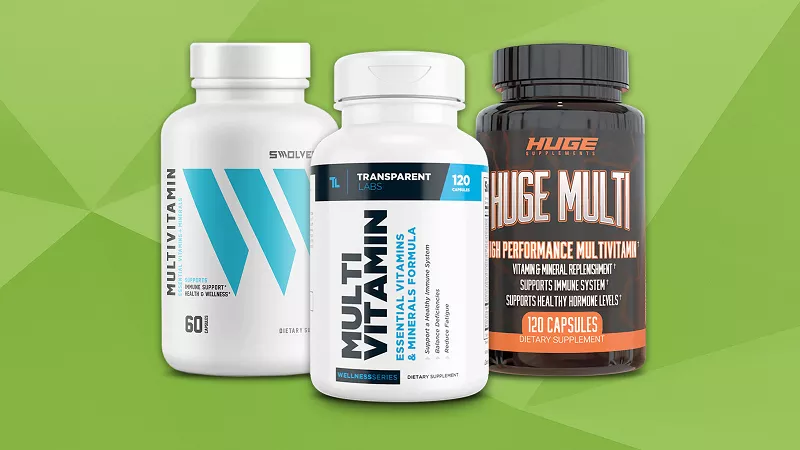
Nutritional requirements undergo significant changes throughout the aging process, making appropriate vitamin and mineral balance particularly crucial for maintaining health and function in older adults.
The selection of senior-specific multivitamins requires careful consideration of individual health status, dietary patterns, and specific nutrient needs that may be affected by age-related physiological changes.
While food sources remain the preferred method for obtaining nutrients due to their complex matrix of beneficial compounds, targeted supplementation may help address common age-related nutritional challenges including reduced absorption, medication interactions, and changing metabolic demands that affect nutrient utilization.
Evaluating Potential Benefits and Limitations of Multivitamin Use
Multivitamins for older adults aim to complement dietary intake by providing essential vitamins and minerals that support overall health and wellbeing, particularly when dietary intake may be insufficient due to various factors affecting older adults.
Potential benefits include addressing nutrient absorption issues that commonly occur with aging, particularly for vitamin B12 and vitamin D where age-related changes in digestive function may reduce bioavailability from food sources. Supplementation may help maintain energy levels and support various bodily functions including immune response, bone health, and neurological function when nutritional gaps exist.
However, multivitamins cannot replace a balanced diet, prevent chronic diseases, or extend lifespan beyond supporting basic nutritional status, and may cause gastrointestinal discomfort in some individuals due to formulation characteristics or individual sensitivities.
Examining Key Nutrients for Aging Populations
Vitamin B12 assumes critical importance for older adults with recommended daily intake of 2.4 micrograms, supporting red blood cell formation and neurological function though aging often reduces absorption capacity through natural stomach lining thinning and reduced acid production.
Dietary sources include animal products, fortified cereals, and certain nuts and seeds, though supplementation may be necessary when absorption is compromised. Calcium requirements vary by gender and age, with men aged 51-70 needing 1000 mg daily, women in the same range requiring 1200 mg due to postmenopausal bone loss, and all adults over 70 benefiting from 1200 mg daily for bone health maintenance through dairy, eggs, and leafy greens that provide bioavailable calcium forms.
Understanding Complementary Nutrient Relationships
Vitamin D works synergistically with calcium, supporting bone health and immune function with requirements increasing from 15 to 20 micrograms after age 70 due to reduced skin synthesis and outdoor activity. While sunlight provides natural vitamin D, dietary sources include egg yolks, fatty fish, and fortified products that may be insufficient for many older adults, making supplementation often necessary.
Magnesium supports muscular and neurological health with 420 mg recommended for men and 320 mg for women daily through whole grains, legumes, and nuts that may be underconsumed in older diets. Potassium maintains cardiovascular and renal health with 3400 mg recommended for men and 2600 mg for women through bananas, animal proteins, and various vegetables, though medication interactions may require careful management.
Selecting Appropriate Multivitamin Formulations
No single multivitamin brand universally suits all older adults despite marketing claims emphasizing senior-specific formulations, requiring individual assessment of actual nutrient needs based on diet, health status, and laboratory values when available.
Consumers should prioritize products with third-party verification from organizations like USP or NSF, ensuring accurate ingredient quantification and absence of harmful contaminants that may affect safety in vulnerable populations.
Label examination proves more valuable than marketing terminology, with personal nutritional needs guiding selection rather than generalized senior labeling that may not match individual requirements for specific nutrients based on dietary intake and health conditions.
Implementing Professional Guidance and Safety Measures
Healthcare provider consultation remains essential before initiating multivitamin supplementation, particularly for individuals taking medications that might interact with supplement components, such as blood thinners interacting with vitamin K or calcium affecting thyroid medication absorption.
Physicians can recommend specific dietary modifications or single-nutrient supplementation based on identified deficiencies rather than comprehensive multivitamins when appropriate, avoiding unnecessary nutrients and potential interactions while targeting specific needs.
Regular nutritional assessments help adjust supplementation strategies as health status and dietary patterns evolve over time, ensuring that supplementation remains appropriate and effective for changing needs throughout the aging process while minimizing potential risks and maximizing benefits through personalized approaches.
Related topics:
