
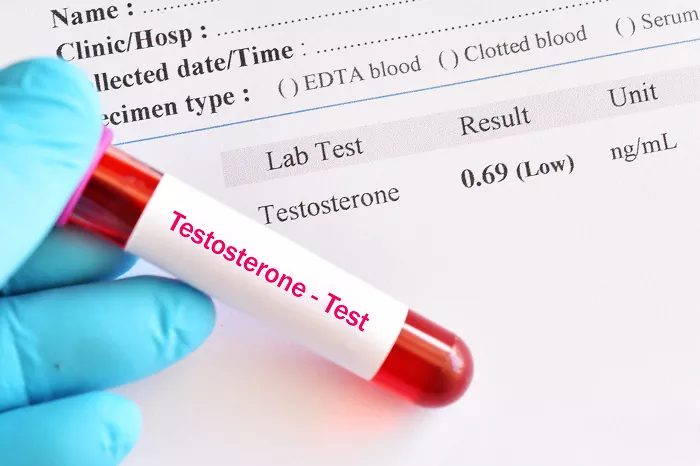
Testosterone deficiency, clinically known as hypogonadism, represents a medical condition where the body produces insufficient testosterone levels. This hormonal imbalance affects multiple physiological systems and manifests differently across age groups.
Common causes include testicular disorders, hypothalamic-pituitary dysfunction, certain medical treatments like chemotherapy or radiation, and traumatic injuries. Symptoms encompass fatigue, sexual dysfunction, cognitive difficulties, mood disturbances, reduced muscle mass, increased body fat, hair thinning, and sleep pattern alterations.
Mechanism of Action and Physiological Effects
Xyosted contains testosterone enanthate, a synthetic form of the primary male sex hormone. It functions through androgen receptor binding, regulating gene expression that governs sexual development, musculoskeletal maintenance, and metabolic processes.
The medication addresses deficiency by providing exogenous testosterone, restoring physiological levels in hypogonadal men. Testosterone influences numerous bodily functions including libido, bone density, muscle protein synthesis, facial hair growth, and spermatogenesis regulation through complex endocrine pathways.
Administration Protocol and Dosage Guidelines
Xyosted administration involves weekly subcutaneous injections into abdominal tissue using an auto-injector device. Initiation typically begins with 75mg weekly, with subsequent dose adjustments (50mg or 100mg) based on serum testosterone monitoring.
Proper injection technique requires site rotation between left and right abdominal quadrants, avoiding areas within 2 inches of the navel or with skin abnormalities. Patients should follow precise instructions provided with the medication and receive proper training from healthcare providers to ensure correct administration.
Clinical Efficacy and Treatment Outcomes
Clinical trials demonstrated Xyosted’s effectiveness in maintaining testosterone levels within normal ranges (350-650 ng/dL) in 93% of treated hypogonadal men. Study participants, primarily middle-aged males with average age of 53, showed significant improvement in testosterone normalization after 12 weeks of treatment.
The medication’s steady-state pharmacokinetics provide consistent hormonal levels through weekly dosing, offering advantages over traditional injection frequencies and minimizing peak-trough fluctuations.
Common Side Effects and Management Strategies
Frequently observed adverse effects include hematocrit elevation, hypertension, injection site bruising, and headaches. Hematological monitoring is essential due to potential erythrocytosis risk, requiring periodic assessment of hematocrit levels.
Blood pressure management involves lifestyle modifications including DASH diet adherence, regular exercise, and sodium restriction. Injection site reactions can be minimized through proper technique and site rotation. Headaches often respond to over-the-counter analgesics, though persistent symptoms warrant medical evaluation.
Drug Interactions and Safety Considerations
Xyosted exhibits several clinically significant interactions. Concomitant insulin use may necessitate dosage reduction due to enhanced hypoglycemic effects. Anticoagulant therapy requires increased monitoring, particularly with warfarin, due to potential alterations in coagulation parameters.
Corticosteroid coadministration may exacerbate fluid retention, especially in patients with cardiorenal compromise. Concomitant use with blood pressure-elevating medications requires careful cardiovascular monitoring. Patients should maintain detailed glucose logs and report any hypoglycemic symptoms promptly.
Special Safety Considerations and Regulatory Status
As a Schedule III controlled substance, Xyosted carries abuse and dependence potential despite its therapeutic application. Proper storage and disposal procedures are essential to prevent misuse. The medication is contraindicated in women and pediatric patients due to virilization risks and lack of safety data.
Geriatric patients require enhanced monitoring for cardiovascular and prostate-related adverse effects. Cost-saving programs are available through manufacturer copay cards, potentially reducing out-of-pocket expenses for eligible patients.
Related topics:
