
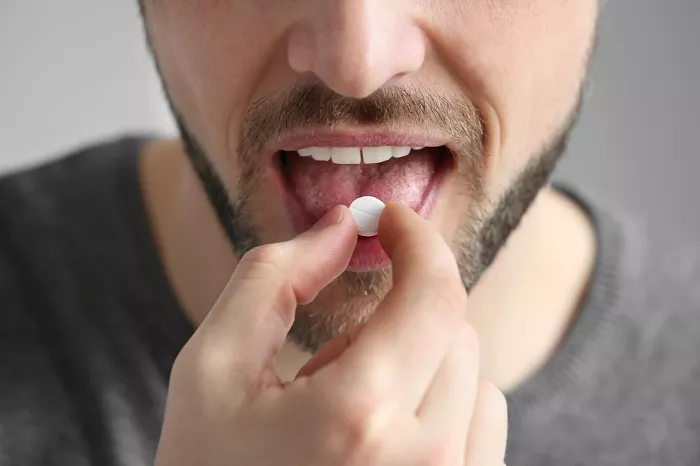
Currently, men have very limited choices when it comes to contraception, with only two primary methods widely available: condoms and vasectomy. Condoms act as a barrier method, preventing sperm from reaching and fertilizing an egg, while vasectomy is a permanent surgical procedure that severs or blocks the vas deferens to stop the release of sperm. The withdrawal method is not considered reliable due to its high failure rate.
This stands in stark contrast to the wide array of options available to women, including hormonal pills, patches, implants, intrauterine devices, and more. Consequently, significant research efforts are focused on developing new, safe, effective, and reversible contraceptive methods for men, addressing a critical gap in reproductive responsibility.
Evaluating the Essential Requirements for New Male Contraceptives
Any new male contraceptive method must meet several key criteria to be widely adopted and successful. The foremost requirements are high reliability with minimal accidental pregnancies and complete reversibility, allowing men to restore their fertility when desired.
Additionally, an ideal method should have minimal side effects, particularly those impacting libido, mood, or long-term health. Practical aspects are equally important; the method should be easy to administer or use, readily accessible, and affordable to a broad population. Current research is heavily guided by these principles, aiming to develop solutions that are not only biologically effective but also user-friendly and socially equitable.
Reviewing the Progress and Challenges of Hormonal Injections
Hormonal injections represent one of the most studied approaches in male contraception. These methods typically use synthetic testosterone, sometimes combined with a progestin, to suppress the pituitary hormones that signal the testes to produce sperm. Clinical trials have shown that weekly or monthly injections can significantly reduce sperm count to levels that prevent pregnancy.
However, this approach faces challenges, including side effects such as pain at the injection site, acne, weight gain, altered lipid levels, and psychological impacts. Research also indicates that testosterone alone is less effective than when combined with a progestin, highlighting the need for optimized formulations to improve efficacy and minimize adverse reactions.
Assessing the Potential of Topical Gels and Combination Injections
Topical gels, like the investigational NES/T gel, offer a non-invasive alternative to injections. This daily gel combines the progestin Nestorone, which halts sperm production, with testosterone to maintain normal androgen levels in the body. Its transdermal delivery system provides a steady release of hormones. For longer-lasting effects, combination injections such as NETE and TU are being developed. A
dministered at intervals of 6 to 8 weeks, these formulations effectively suppress sperm production, though they still contend with side effects like localized pain, acne, muscle aches, and mood swings, which researchers continue to work on mitigating.
Exploring the Development of Oral Hormonal Pills for Men
The development of a hormonal male pill has been a long-sought goal, but it faces significant hurdles. Early oral testosterone forms were either toxic to the liver or required impractical multiple daily doses. Newer compounds like Dimethandrolone Undecanoate (DMAU) offer promise as an effective once-daily pill that suppresses sperm production.
However, similar to other hormonal methods, DMAU is associated with side effects, including weight gain, increased hemoglobin, and potential impacts on cholesterol levels. Ongoing clinical trials are crucial to determine the long-term safety profile and overall acceptability of this convenient form of contraception.
Investigating Innova@tive Non-Hormonal Methods like RISUG and IVDs
Non-hormonal methods aim to avoid systemic side effects by acting locally within the reproductive tract. RISUG involves a single injection of a polymer gel into the vas deferens, which physically blocks and incapacitates sperm as they pass through. The procedure is designed to be reversible with a second injection that dissolves the gel.
Similarly, the concept of an Intra Vas Device (IVD) involves placing a physical device inside the vas deferens to filter out sperm. Both methods are currently experimental and focus on achieving high efficacy and confirming long-term safety and reliable reversibility before they can be considered for widespread public use.
