
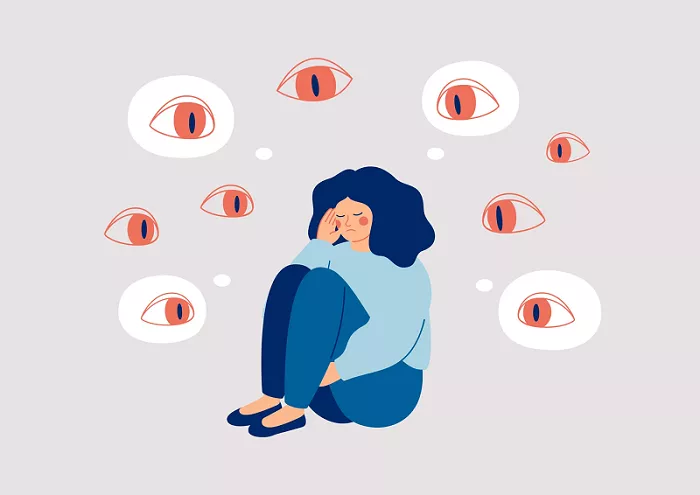
Social anxiety disorder represents a significant mental health condition characterized by an intense and persistent fear of social situations where one might be scrutinized or judged by others. While occasional nervousness in social settings is normal, social anxiety involves overwhelming distress that leads to avoidance behaviors.
This condition differs fundamentally from everyday shyness, as it profoundly impacts daily functioning, relationships, and overall quality of life. Individuals with social anxiety often recognize their fears as excessive but feel powerless to control them, leading to a cycle of avoidance and increased anxiety over time.
Identifying Common Symptoms and Behavioral Patterns
The manifestation of social anxiety disorder typically involves both psychological and physical symptoms. Psychological symptoms include intense fear of social interactions, preoccupation with being embarrassed or humiliated, excessive self-consciousness, and avoidance of social situations.
Physical symptoms often accompany these psychological manifestations, including rapid heartbeat, muscle tension, trembling, sweating, nausea, difficulty breathing, and dizziness. These symptoms frequently occur in anticipation of or during social situations, creating a powerful negative reinforcement cycle that maintains the disorder.
Examining the Causes and Risk Factors Involved
Social anxiety disorder develops through a complex interaction of genetic, biological, and environmental factors. Research indicates that individuals with a family history of anxiety disorders may have a higher predisposition, suggesting a genetic component.
Neurologically, an overactive amygdala—the brain region responsible for processing fear responses—may contribute to heightened anxiety responses. Environmental factors, such as childhood trauma, bullying, overprotective parenting, or negative social experiences, often play a significant role in the development of the disorder.
Exploring Diagnostic Criteria and Assessment Methods
Proper diagnosis of social anxiety disorder requires meeting specific criteria outlined in the Diagnostic and Statistical Manual of Mental Disorders (DSM-5). These include persistent fear of social situations lasting six months or longer, immediate anxiety response in feared social situations
recognition that the fear is excessive, avoidance of social situations, and significant impairment in daily functioning. Healthcare professionals typically conduct comprehensive assessments, including medical history reviews, symptom questionnaires, and clinical interviews, to rule out other conditions and confirm the diagnosis.
Evaluating Effective Treatment Approaches and Interventions
Treatment for social anxiety disorder typically involves evidence-based approaches, including cognitive-behavioral therapy (CBT), medication, or their combination. CBT focuses on identifying and challenging negative thought patterns while gradually exposing individuals to feared social situations through systematic desensitization.
Common medications include selective serotonin reuptake inhibitors (SSRIs), serotonin-norepinephrine reuptake inhibitors (SNRIs), and occasionally beta-blockers for performance anxiety. Treatment plans are tailored to individual needs, with many people experiencing significant improvement through proper intervention.
Implementing Practical Strategies for Daily Management
Beyond professional treatment, individuals can employ various strategies to manage social anxiety symptoms. These include practicing relaxation techniques like deep breathing and mindfulness, gradually facing feared situations through self-directed exposure exercises, maintaining a healthy lifestyle with regular exercise and adequate sleep
and challenging negative thoughts through cognitive restructuring. Additionally, joining support groups, educating oneself about the disorder, and setting realistic goals for social interaction can contribute to long-term management and improved quality of life.
Related topics
