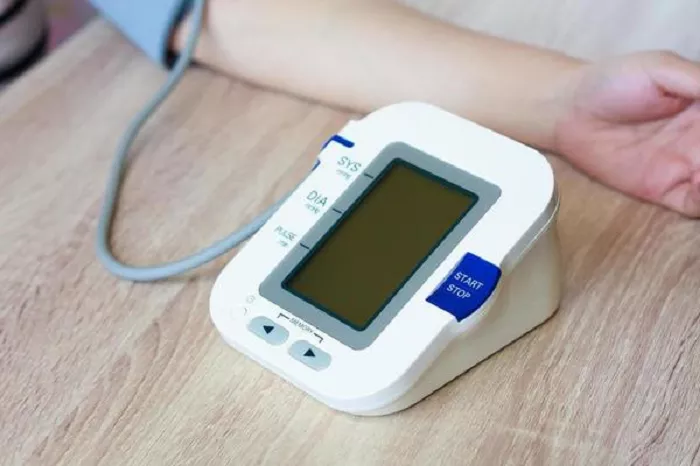
A home blood pressure monitor is a personal medical device designed to measure your blood pressure outside of a clinical setting, such as a doctor’s office or hospital.
While a single reading at your annual check-up provides a snapshot, it only reflects your pressure at that specific moment, which can be influenced by factors like “white coat syndrome,” the anxiety of being in a medical environment. Home
monitoring allows you to track your readings over time, providing your physician with a comprehensive and accurate picture of your true blood pressure patterns. This longitudinal data is crucial for the effective diagnosis and management of hypertension, as it helps identify trends that might be missed during occasional visits.
The best way to determine if you have high blood pressure is to take multiple readings at different times of the day over an extended period, such as several months.
Fundamental Working Principles of Arm and Wrist Monitors
Home blood pressure monitors operate on the same fundamental principle as professional devices: they measure the pressure of blood flowing through your arteries. The most common type is the upper arm monitor, which features an inflatable cuff that wraps around your bicep.
Automated digital models, which are recommended for home use, inflate the cuff with the push of a button and use an electronic sensor to detect your pulse. The monitor calculates your systolic pressure (the peak pressure when your heart beats) and your diastolic pressure (the pressure when your heart rests between beats).
Wrist monitors function similarly but are positioned at the radial artery on your wrist. Their accuracy is more sensitive to body position, requiring you to keep your wrist at heart level during measurement, which can be challenging to maintain consistently.
Key Advantages and Considerations of Upper Arm Monitors
Upper arm blood pressure monitors are widely regarded by medical professionals as the gold standard for home use due to their superior accuracy and reliability.
These devices are typically easy to use, with large digital displays that clearly show your systolic and diastolic numbers as well as your pulse rate. Many modern models come with advanced features, such as irregular heartbeat detectors, risk category indicators, and memory storage for multiple users.
The primary consideration with an arm monitor is ensuring proper cuff size; a cuff that is too small will yield falsely high readings, while one that is too large may give readings that are too low. It is essential to measure your arm circumference and select a monitor with an appropriately sized cuff for accurate results.
Evaluating the Usefulness and Limitations of Wrist Monitors
Wrist blood pressure monitors offer distinct advantages in terms of portability and convenience. Their compact size makes them ideal for travel, and they can be more comfortable for individuals who find upper arm cuffs restrictive or who have large arms that do not fit standard cuffs.
However, wrist monitors have significant limitations. Their readings are highly dependent on precise positioning; if your wrist is not held at the exact level of your heart, the reading can be significantly inaccurate.
This sensitivity often makes them less reliable than upper arm models for consistent, long-term monitoring. Therefore, wrist monitors are generally not the first choice for individuals requiring precise management of hypertension, unless an upper arm monitor is not a feasible option.
Critical Features to Consider When Purchasing a Monitor
When selecting a home blood pressure monitor, several key features should guide your decision to ensure you get a device that meets your health needs. First and foremost, choose a monitor that has been validated for clinical accuracy; look for endorsements from organizations like the Association for the Advancement of Medical Instrumentation (AAMI) or the British Hypertension Society.
Ease of use is also vital; a large, clear display and simple one-button operation are beneficial for many users. Additional valuable features include memory storage for multiple readings, which allows you to track your progress over time, and the ability to store data for two users if needed. Some models can even average your readings over a period and connect to smartphone apps for easy data sharing with your healthcare provider.
Practical Tips for Accurate Measurement and Device Maintenance
Owning a high-quality monitor is only the first step; obtaining accurate readings requires proper technique and consistent maintenance. To ensure reliable measurements, avoid caffeine, exercise, and smoking for at least 30 minutes before taking a reading. Sit quietly in a chair with your back supported and feet flat on the floor for five minutes beforehand.
Rest your arm on a table so that the cuff is at heart level. Place the cuff on your bare skin as instructed by the manufacturer. It is also crucial to have your monitor calibrated periodically, typically every one to two years, to ensure its ongoing accuracy; you can often arrange this service through the manufacturer or your local pharmacy. By following these guidelines, you can trust the data you collect and make informed decisions with your doctor about your cardiovascular health.
Related topics:
- EU faces pressure to regulate sperm and egg donations
- Menopause Hormone Therapy Enhances Obesity Drug’s Effectiveness in Women
- Inside Silicon Valley’s Drive to Create Healthier, Disease-Free Babies