
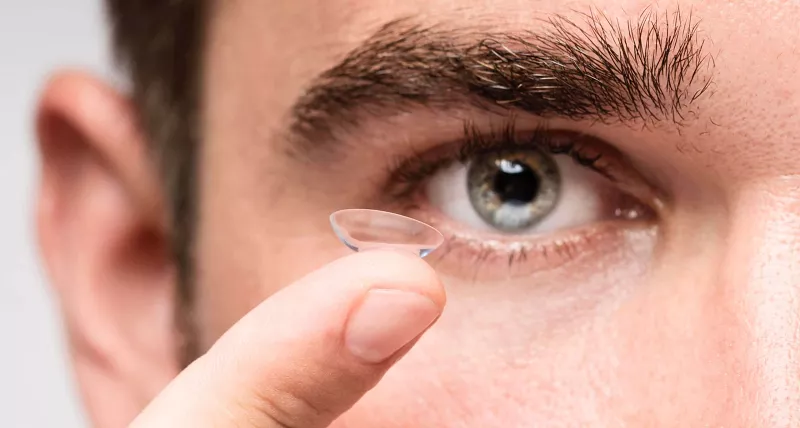
Contact lenses offer a convenient and comfortable alternative to eyeglasses for millions of people worldwide. However, this convenience comes with a responsibility to maintain strict hygiene practices.
Failure to properly clean and care for contact lenses significantly increases the risk of developing serious eye infections. The most concerning infection is keratitis, which is an infection of the cornea, the clear protective outer layer of the eye. Often referred to as a corneal ulcer, keratitis can be caused by bacteria, viruses, fungi, and in rare cases, a parasitic organism.
Contact lens wearers are also more susceptible to conjunctivitis, commonly known as pink eye, which is an inflammation or infection of the conjunctiva, the membrane covering the white part of the eye and the inner eyelids.
Recognizing the Critical Symptoms of a Potential Eye Infection
It is crucial for contact lens wearers to be able to identify the early warning signs of an infection. If you experience any of the following symptoms
you should immediately remove your contact lenses and seek advice from an eye care professional. Key symptoms include pronounced redness, persistent pain, excessive tearing or a thick, sticky discharge, blurred vision, sensitivity to light, a persistent feeling of itching or burning, or the sensation that a foreign object is in your eye. Some of these conditions can escalate rapidly and require immediate treatment to prevent permanent vision damage.
Do not discard the lenses; place them in their case and bring them to your appointment, as they may be cultured to identify the exact cause of the infection.
The Role of Bacteria in Contact Lens-Related Infections
Bacteria that normally live harmlessly on our skin, in our mouths, and noses can become a serious threat to the eyes when introduced via contact lenses.
Common handling can transfer bacteria like Staphylococcus aureus, which is found in the noses of about one-third of the population, to the lens surface. If the lens has microscopic scratches or if there are tiny abrasions on the cornea (often caused by sleeping in lenses)
these bacteria can cause severe infections. Another particularly dangerous bacterium is Pseudomonas aeruginosa, which can cause a fast-moving and destructive corneal infection that may lead to permanent vision loss. Meticulous handwashing and proper lens disinfection are the primary defenses against these bacterial threats.
Viral, Fungal, and Parasitic Causes of Eye Infections
In addition to bacteria, other microorganisms can cause infections. Viruses such as the herpes simplex virus (which causes cold sores) and the viruses responsible for common colds and chickenpox can also infect the cornea, leading to viral keratitis. Viral conjunctivitis (pink eye) is highly contagious.
Fungal eye infections are less common but can be very serious and are often treated with antifungal eye drops or oral medications. The most notorious parasitic infection is caused by Acanthamoeba, a single-celled organism found in water sources
including tap water, swimming pools, and hot tubs. Acanthamoeba keratitis is particularly difficult to treat and is strongly associated with wearing contact lenses while swimming or using improper lens hygiene, like using water instead of disinfectant solution for cleaning.
Fundamental Hygiene Practices for Safe Contact Lens Wear
Preventing eye infections hinges on adhering to a consistent and rigorous hygiene routine. Always wash and dry your hands thoroughly before handling your lenses. Never reuse or “top off” disinfecting solution in the case; always discard the old solution and use fresh solution each time.
Clean your lens case regularly and replace it entirely every three months. A critical rule is to never sleep in your contact lenses unless specifically prescribed and approved by your eye doctor for extended wear. Additionally, avoid wearing lenses while showering, bathing, or swimming to prevent exposure to water-borne pathogens. Always follow the specific care instructions provided by your eye doctor and the lens manufacturer.
The Importance of Professional Care
Beyond daily hygiene, maintaining a schedule of regular check-ups with an ophthalmologist or optometrist is essential for long-term eye health. These professionals can assess the fit and condition of your lenses, monitor the health of your cornea, and provide updated guidance on the best cleaning solutions for your specific lens type.
If you experience any discomfort or symptoms of an infection, do not hesitate to seek immediate professional care rather than attempting to self-diagnose or treat the problem. Proper professional oversight ensures that any potential issues are caught early and managed effectively, preserving both your vision and your ability to enjoy the benefits of contact lenses safely.
Related topics:
