
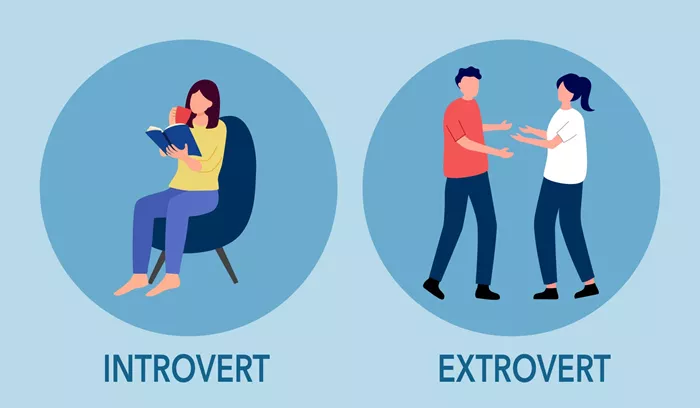
Personality tests for introversion and extroversion have long been popular tools for self-reflection and insight into social behavior. Originally identified by psychologist Carl Jung, these traits describe where individuals tend to draw their energy: introverts recharge with solitude and quiet, while extroverts thrive on social interaction. However, personality exists on a broad spectrum rather than as two fixed categories.
A free and fast personality test can help individuals identify where they fall on the introversion-extroversion continuum. This quiz, designed for entertainment and reflection, is useful for anyone curious about their social habits or wishing to understand why they behave certain ways in different social settings. While some people firmly identify as introverts or extroverts, many fall somewhere in between, exhibiting traits of both depending on circumstances.
Introverts generally prefer intimate conversations, value alone time to recharge, and tend to be reflective and reserved. They might avoid large social gatherings, finding them draining, and instead gravitate towards meaningful interactions with close friends. Extroverts, on the other hand, gain energy from socializing, are often outgoing and enthusiastic, enjoy being the center of attention, and feel invigorated by group activities.
It is important to recognize that introversion and extroversion are only one aspect of personality, alongside many other factors that shape behavior and preferences. Personality is fluid to some degree, influenced by experiences, environment, and personal growth.
For individuals feeling restricted by their natural tendencies, it is possible to adopt behaviors outside their comfort zone. Science shows that with motivation, commitment, and consistent practice, people can adjust certain habits and potentially shift aspects of their personalities. For example, introverts who want to be more socially engaged can set small, manageable goals such as initiating conversations or participating in group events. Similarly, extroverts can learn to appreciate solitude and practice self-reflection.
A newer concept gaining attention is the “otrovert,” describing those who don’t easily fit into the conventional introvert-extrovert dichotomy. Otroverts neither seek social connection to define themselves nor withdraw completely; instead, they maintain individuality without conforming to group identities.
Whether one is an introvert, extrovert, otrovert, or somewhere in between, the key is understanding what recharges and energizes the individual personally. It is not about labeling but about aligning behaviors with one’s genuine needs to maximize well-being.
Personality tests serve as tools for greater self-awareness rather than definitive assessments. They encourage reflection on social preferences and help individuals consider experimenting with new behaviors to enhance their social and emotional lives.
YOU MAY ALSO LIKE
Employers lean on “Personality test” to filter AI-skilled applicants
Are You Really an ISFJ? Unpacking the Truth Behind Personality Tests
