
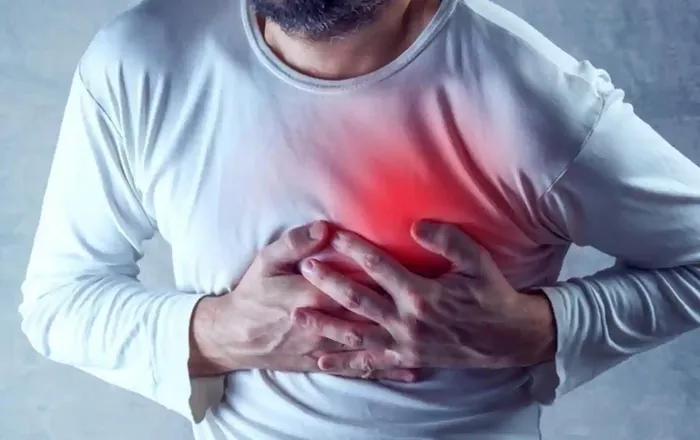
A cardiovascular surgeon with over 25 years of experience has highlighted key warning signs that may indicate a weak heart requiring urgent medical attention. Dr. Jeremy London, based in Georgia, shares these important symptoms online to help people recognize when their heart might not be functioning properly.
A “weak heart” generally refers to heart failure, a condition where the heart muscle does not pump blood efficiently. According to health authorities, heart failure does not mean the heart has stopped working; rather, it means the heart needs support to perform better. It can appear at any age but is more common among older adults. The condition often worsens over time but can be managed effectively through treatment and lifestyle adjustments.
Dr. London emphasizes the importance of being vigilant about certain warning signs before consulting a healthcare provider. The primary symptoms to watch for include:
- Shortness of breath during physical activity or at rest
- Difficulty lying flat comfortably due to breathing issues
- Swelling in the legs, ankles, or feet
- Persistent fatigue and feeling lightheaded or faint
Additional symptoms reported by patients may include a persistent cough, rapid heartbeat, and dizziness. These signs should not be ignored, as early detection significantly improves treatment outcomes.
For diagnosis, doctors typically use an echocardiogram, an ultrasound scan of the heart. This test evaluates heart function by measuring the ejection fraction, which is the percentage of blood the heart pumps out with each beat. A healthy heart usually has an ejection fraction between 65 to 70 percent. A lower percentage indicates diminished heart function, signaling possible heart failure.
Managing heart failure involves medical treatment to control symptoms and improve quality of life. Although the condition cannot usually be cured, many patients enjoy stable health for years with appropriate care. Individuals experiencing persistent or worsening symptoms should seek medical consultation without delay due to the unpredictable nature of heart failure progression.
Experts also recommend lifestyle changes such as maintaining a balanced diet, regular exercise tailored to one’s capacity, quitting smoking, and managing other health conditions like hypertension or diabetes to support heart health.
Dr. London’s insights underscore how understanding the early signs can prevent complications. If you experience these symptoms, speaking with an online doctor or visiting a healthcare provider promptly can facilitate timely diagnosis and treatment.
YOU MAY ALSO LIKE
Heart Attacks Plummet, But New Heart Dangers Rise
Broken Heart Syndrome: Why Men Are at Greater Risk of Death
Brunei makes private health insurance mandatory for foreigners
