
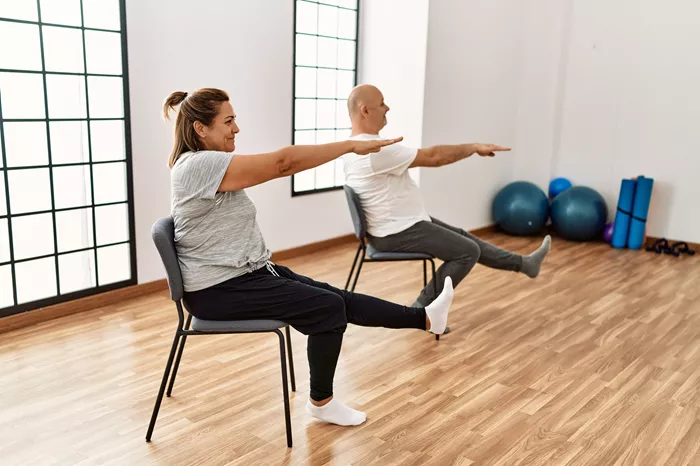
Chair yoga is simply a variation of yoga modified for a seated posture. Rather than performing asana on a mat, the practitioner remains in or near a chair while practicing stretches, twists, backbends, and breath awareness. Originally developed for those with limited mobility, it’s now embraced by people of all ages and activity levels because it helps stretch tight muscles, relieve aches associated with prolonged sitting, support posture, boost blood flow, and cultivate a calm, mindful state.
Many of the benefits seen in traditional yoga still apply in chair yoga: building strength, improving flexibility and balance, reducing muscle tension, and enhancing mental well-being. Because it’s gentle and low impact, chair yoga is especially useful for seniors, those recovering from injury, or anyone needing a safer option for movement.
How to Begin Safely
Choosing the right chair is key. Opt for a stable, armless chair without wheels or a swivel base. Your feet should rest flat on the floor, with knees bent near 90°, or propped up on blocks if they don’t reach the floor. If you’re in a wheelchair, ensure the wheels are locked.
Keep yoga props like blocks, straps or belts nearby to support your limbs when flexibility is limited. Start with small, comfortable ranges of motion and never force a stretch. As with any new exercise, check with your health professional before beginning chair yoga, especially if you have chronic health conditions, joint issues, or recent surgeries.
13 Chair Yoga Poses You Can Practice Anywhere
Here are 13 accessible seated poses to get you started. Modify any pose to your comfort:
Upward Salute (Urdhva Hastasana)
Sit tall and reach arms overhead, engaging the core.
Cat Pose (Marjaryasana)
Round the spine and draw chin to chest.
Cow Pose (Bitilasana)
Arch your back, lift your chest and neck.
Camel Pose (Ustrasana)
Open the chest and allow the back to arch slightly.
Happy Baby (Ananda Balasana)
Hinge forward and reach for shins or ankles.
King Arthur’s Variation
Bend one knee and reach for that ankle, using a strap if needed.
Tree Pose (seated version)
Extend one leg and bring the other knee outward, arms in prayer or overhead.
Extended Triangle (Utthita Trikonasana)
Hinge sideways, reaching across your body.
Bound Angle (Baddha Konasana)
Open your legs gently and press knees outward.
High Lunge (seated form)
Shift forward so one thigh clears the seat, stretch arms overhead.
Extended Side Angle (Utthita Parsvakonasana)
Reach one arm down and the other up, twisting slightly.
Half Lord of the Fishes (Ardha Matsyendrasana)
Rotate the torso while holding the chair’s back.
Spinal Twist (Marichyasana III)
Lift a knee, twist toward it, and reach behind to grasp the chair or knee.
Why Chair Yoga Is Gaining Momentum
As more people spend extended hours seated—whether at desks, in transit, or recovering from injury—chair yoga is drawing attention as a practical antidote to sedentariness. It offers many hallmarks of regular yoga but with added stability and accessibility.
Studies suggest chair yoga may alleviate pain, stiffness, and fatigue in older adults, especially those with osteoarthritis or joint concerns. It also shows promise in improving balance, reducing fear of falls, and increasing confidence in daily movements. Beyond physical effects, chair yoga has been linked to reduced stress and improved mood. It’s even being promoted as a mindful way to care for heart health, since yoga practices can help regulate blood pressure and stress responses.
Importantly, a recent quick 4-minute chair yoga routine has been shown to relieve neck tension, stiff shoulders, and stress associated with office work — making it ideal for people who need short, effective movement breaks.
Tips to Get the Most from Your Practice
– Start slowly and gently. Even one or two poses for a few breaths can help loosen tight muscles.
– Consistency matters more than intensity. Regular short sessions often beat sporadic long ones.
– Listen to your body. Never push into pain or sharp discomfort.
– Use supports. Blocks, straps, cushions or even rolled towels can make a pose safer and more comfortable.
– Consider instructor guidance. A qualified chair yoga teacher can help you adapt poses to your unique body.
Chair yoga proves that movement and mindfulness don’t require you to leave your seat. Whether you’re a senior, in recovery, desk-bound or just looking for a gentler way to stretch, these seated poses offer a doorway to increased mobility, strength and mental calm.
YOU MAY ALSO LIKE
Yoga in Zimbabwe’s Taverns: Relief for the Marginalized
