
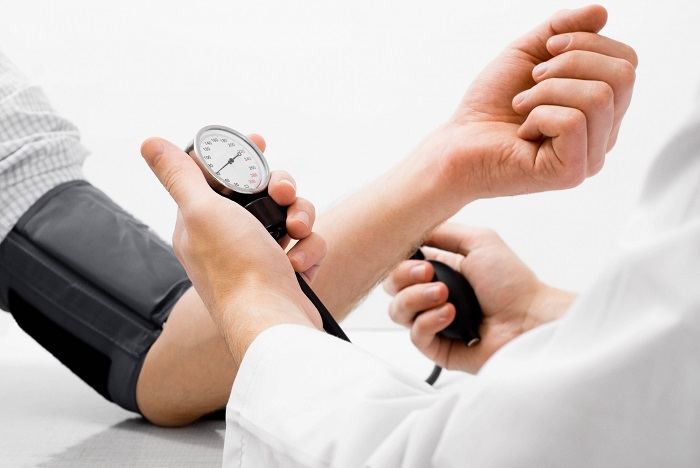
Nearly half of U.S. adults have high blood pressure, or hypertension, a leading risk factor for heart disease and stroke. Hypertension also raises the risk of dementia and cognitive decline. Yet, only about 1 in 4 people with a history of high blood pressure have it under control.
What’s new in the 2025 guidelines?
In August 2025, the American Heart Association and the American College of Cardiology released updated hypertension guidelines based on the latest decade of research. These guidelines replace the 2017 version and introduce several key changes:
- The definition of hypertension is stricter, with lower target blood pressure levels.
- The category of “prehypertension” has been eliminated.
- New blood pressure ranges:
- 120–129 / under 80 mm Hg = elevated
- 130–139 / 80–89 mm Hg = stage 1 hypertension
- 140/90 or higher = stage 2 hypertension
- 180/120 or higher = hypertensive crisis
- A new tool called the PREVENT risk calculator helps doctors assess individual risk for cardiovascular disease and heart failure.
Why does this matter?
By lowering the threshold for hypertension, millions more Americans may now fall into a higher-risk category. Doctors are expected to encourage patients to monitor their blood pressure at home and adopt preventive strategies earlier.
Lifestyle recommendations
The updated guidelines highlight lifestyle changes that play a major role in blood pressure management:
- Alcohol: Limit intake. Men should have no more than two drinks per day, and women no more than one. Even small amounts of alcohol can raise blood pressure.
- Salt: Keep sodium under 2,300 milligrams per day, ideally under 1,500 mg. The average American consumes about 3,300 mg daily.
- Diet: Follow the DASH diet, rich in fruits, vegetables, whole grains, and low-fat dairy, which may lower blood pressure by up to 10 mm Hg.
- Exercise: Aim for at least 150 minutes of aerobic activity per week. Each 30 minutes of weekly exercise can lower blood pressure by 2/1 mm Hg.
- Other habits: Quit smoking, manage stress, maintain a healthy weight, and get 7–9 hours of sleep per night.
How doctors may respond
Experts say these guidelines will likely make doctors more proactive in diagnosing and treating high blood pressure. The PREVENT calculator offers a more personalized approach, factoring in cholesterol, medical history, demographics, and blood pressure levels. Together with home monitoring, this could lead to earlier and more effective treatment.
Bottom line
With nearly half of Americans already living with high blood pressure, the updated guidelines mean many more people may now be considered at risk. But with the right lifestyle changes and medical guidance, hypertension is manageable—and reducing blood pressure lowers the risk of heart disease, stroke, and dementia.
YOU MAY ALSO LIKE
Kidney Disease Deaths Tied to High Blood Pressure Rise 48% Over 25 Years
Salt Substitutes Rarely Used Despite Benefits for High Blood Pressure
