
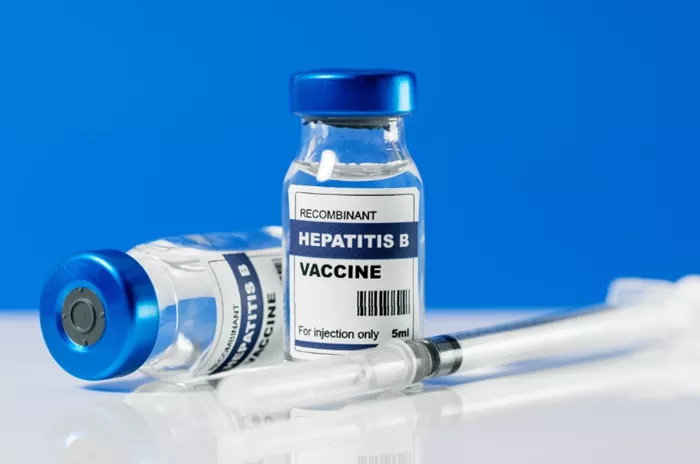
A federal advisory panel is considering a significant change to the long-standing recommendation that all newborns receive their first dose of the hepatitis B vaccine within 24 hours of birth.
The Advisory Committee on Immunization Practices (ACIP) is meeting this week to review the evidence. A proposal under discussion would delay the first shot until a baby is at least one month old, but only if the mother has tested negative for hepatitis B during pregnancy. The current birth-dose recommendation would remain for infants born to mothers with an unknown or positive hepatitis B status.
This potential shift has drawn close scrutiny from public health experts, who point to the vaccine’s decades-long record of success in nearly eliminating the disease in American children.
What is Hepatitis B?
Hepatitis B is a potentially serious liver infection caused by the hepatitis B virus (HBV). It is spread through contact with blood, semen, or other body fluids from an infected person.
For newborns: The most common route of infection is during birth if the mother is infected. Infants who contract HBV at birth have a very high risk of developing a chronic, lifelong infection that can lead to liver cirrhosis or cancer later in life.
Symptoms: Acute infection can cause fever, fatigue, loss of appetite, nausea, jaundice (yellowing of the skin and eyes), and abdominal pain. Many people, especially children, may show no symptoms at all.
The Current Vaccine Schedule
Since the early 1990s, the CDC has recommended a three-dose hepatitis B vaccine series for all infants:
- First dose: Within 24 hours of birth
- Second dose: Between 1-2 months old
- Third dose: Between 6-18 months old
This schedule is designed to provide protection at the moment of greatest vulnerability.
Why Experts Are Concerned About a Change
Medical and public health organizations have expressed strong reservations about altering the birth-dose policy, citing several key concerns:
Maternal Testing Isn’t Foolproof: Pregnancy screening for hepatitis B is highly accurate but not perfect. Errors in testing, reporting, or record-keeping could lead to a false negative, leaving an unprotected infant at risk during delivery.
Protecting the Most Vulnerable: The birth dose is a critical safety net. It ensures protection regardless of the mother’s test status or future access to healthcare.
Potential Access Issues: While major insurers have pledged to maintain coverage for all currently recommended vaccines through 2026, a future change could affect coverage under programs like the federal Vaccines for Children program, potentially creating cost barriers for families.
“The birth dose has been a cornerstone of our strategy to eliminate hepatitis B in the U.S.,” said Dr. Muntu Davis, a health officer for Los Angeles County. “Moving away from it could leave our most vulnerable children unprotected against a potentially fatal infection.”
The ACIP’s decision will be closely watched as a indicator of how the panel, under new leadership appointed by HHS Secretary Robert F. Kennedy Jr., balances public health evidence with other considerations.
Parents with questions about the hepatitis B vaccine or their child’s immunization schedule should consult their pediatrician or healthcare provider.
YOU MAY ALSO LIKE
Newborn Hepatitis B Vaccine Vote Delayed By CDC Panel
Federal agency decertifies Miami organ procurement group
CPAP Machine and Driving: What Sleep Apnoea Patients Must Know
