
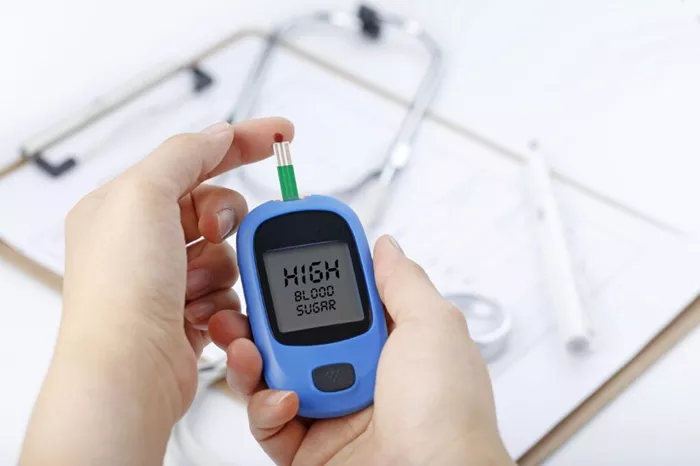
Your blood sugar, or blood glucose, is your body’s main source of energy. It fuels your brain, muscles, and cells. When you eat carbohydrates, your glucose rises, and insulin helps move it into cells for energy or storage. But frequent spikes or crashes can affect mood, sleep, energy, and long-term health.
That’s why continuous glucose monitoring (CGM), once only for people with diabetes, is gaining attention among people who want to better understand their metabolism.
Testing the Stelo glucose monitor with the Oura Ring
I tested the Dexcom Stelo glucose monitor, paired with the Oura Ring, for two weeks. It was painless to apply, tracked my blood sugar 24/7, and synced easily with the app. I learned how different foods — even healthy ones — affected my body, and how small lifestyle choices could smooth out spikes.
Can anyone buy a glucose monitor?
Yes. The Stelo sensor is available over the counter, no prescription required. That means even people without diabetes can now track how their meals and habits influence blood sugar.
According to the American Diabetes Association, normal blood sugar ranges for most adults are:
- 70–100 mg/dL when fasting
- Under 140 mg/dL after meals
Moderate spikes are normal, especially after eating. What matters is how often they happen and how quickly levels return to baseline.
What I learned from two weeks of tracking
Some takeaways surprised me:
- Fruit juice caused spikes: A pressed juice raised my glucose above my range. But a smoothie with protein and fiber kept it steady.
- Food pairing matters: Sushi with edamame kept my glucose stable, thanks to the protein and fiber balance.
- Movement helps: After eating cake, a brisk 15-minute walk prevented a big spike.
Three strategies that helped flatten my blood sugar curve
1. Pair carbs with protein, fiber, and healthy fats
Eating carbs alone caused quick spikes, but adding protein or fat slowed digestion and steadied my blood sugar. Examples: apples with peanut butter, toast with avocado, rice with beans.
2. Take short walks after meals
Even 10 to 15 minutes of walking after eating made a noticeable difference in my glucose readings. This simple step can help the body use sugar more efficiently.
3. Time your meals
Carbs earlier in the day were easier for my body to process than late-night snacks. Experts explain that our insulin sensitivity is higher in the morning and declines later at night.
Bottom line
Using a continuous glucose monitor gave me a real-time look at how food, activity, and timing influence my blood sugar. I didn’t need to cut carbs or give up favorite treats — just adjust how and when I ate them. Small shifts, like adding protein to a meal or walking after dessert, made a big difference.
YOU MAY ALSO LIKE
Mild Blood Sugar Rise, Not Testosterone, Drives Erectile Dysfunction
Slight Blood Sugar Spikes Undermine Male Virility, New Study Finds
Rising Blood Sugar Linked to Sexual Health Decline in Aging Men
