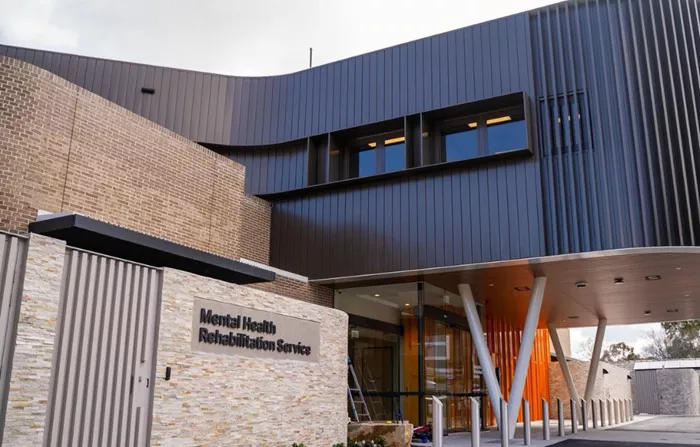
A purpose-built, 24-bed mental health rehabilitation service has officially opened in Adelaide’s west, marking a major step forward for South Australia’s mental health care. Located on Woodville Road, across from The Queen Elizabeth Hospital (QEH), the facility will welcome its first patients this week.
The Adelaide unit is the first of three specialist mental health rehabilitation facilities being developed by the South Australian Government. Additional units are under construction in Noarlunga and Modbury. Together, these facilities aim to provide better support for patients while reducing pressure on hospital emergency departments across the state.
A Milestone for South Australian Mental Health Care
Premier Peter Malinauskas described the new service as “a historic milestone” for mental health in South Australia. “This brand-new 24-bed QEH mental health service is the first of three specialist rehabilitation units across Adelaide. They will deliver better care to mental health patients and help take pressure off our busy emergency departments,” he said.
Designed with input from both patients and caregivers, the QEH facility offers a home-like environment that promotes rehabilitation and recovery. Each patient has a private room with an ensuite, access to outdoor areas, therapy spaces, and recreational facilities. The model focuses on helping patients transition safely back into the community, with typical stays ranging from four to 12 weeks.
Government Commitment to Mental Health Expansion
Health and Wellbeing Minister Chris Picton highlighted the broader benefits of the new service. “It will take pressure off the nearby QEH and provide a much better home-like environment for mental health patients. This facility is part of a massive expansion of the Queen Elizabeth Hospital, which will add 140 extra beds over 18 months,” he said.
The hospital expansion includes new medical, surgical, rehabilitation, and emergency beds. The 24 mental health beds join 26 recently added medical and surgical beds, with an additional 10 surgical beds expected by the end of 2025. Overall, this project represents a 40% increase in hospital bed capacity.
A Progressive Model of Mental Health Care
Dr. Paul Furst, Executive Director of Mental Health at CALHN, described the facility as a new model of care. “This service provides extended support for consumers, helping them recover and safely return to the community. With a home-like environment and life skills programs, we expect better outcomes and fewer crises,” he said.
Dr. Emma McCahon, CALHN CEO, emphasized the role of collaboration in the facility’s design. “Every part of this service has been co-designed with consumers and clinicians to ensure access to safe, connected care. Between hospital and community, this service will be a valuable step in supporting recovery,” she said.
Supporting Patients and Hospitals Alike
The facility is opening in phases, beginning this week with 12 patients. Once fully operational, it is expected to support up to 100 people annually, easing the burden on one of Adelaide’s busiest hospitals while offering patients a safe, supportive environment on their path to recovery.
YOU MAY ALSO LIKE
- UK Invests in Smart Glasses and AI Tech to Transform Mental Health Services
- World Suicide Prevention Day: Free Mental Health Services Across Australia
- Mental Health Services Underutilized by Black Youth, Especially Girls