
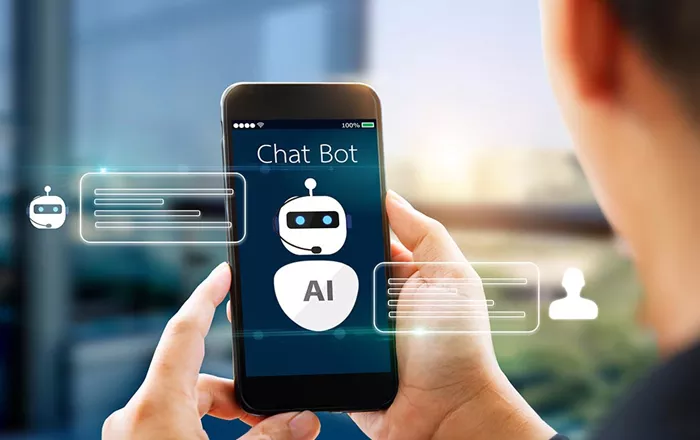
As artificial intelligence becomes part of everyday life, some mental health experts are sounding the alarm: while AI can offer quick access to information, it cannot replace human connection or professional care.
A Warning Case
Concerns are not only theoretical. In California, a family has filed a lawsuit alleging that ChatGPT played a role in their son’s suicide, raising questions about the risks of relying on AI for mental health support.
The Limits of AI Support
Dr. Abby Callis, a clinical psychologist at Stormont Vail Behavioral Health in Topeka, has been following the research on AI and mental health. She says that while short-term use of AI tools can sometimes ease feelings of loneliness, longer-term use often has the opposite effect.
“In the early stages, it can reduce loneliness, but with prolonged use—especially with voice-based chatbots—it tends to increase loneliness,” Callis explains.
Critical Thinking at Risk
Another concern is that people may begin to outsource their decision-making to AI.
“The more we use AI, the less we use our own critical thinking skills,” Callis says. “We start to trust it or just do what it says rather than making our own decisions. Humans bring context, history, and understanding that algorithms simply don’t have.”
Unlike a therapist, who might probe deeper when someone searches for information about a bridge or expresses distress, AI generally provides a direct answer without exploring intent or risk.
What AI Can—and Can’t—Do
Some AI platforms are trained to recognize keywords such as “suicide” and may direct users to resources. However, they cannot follow up, assess safety, or provide personalized care.
“It’s designed to mimic human interaction,” Callis says. “If we get too far down that path, we start to interact with it as if it were fully human—and it’s not.”
Complement, Not Replacement
Callis emphasizes that AI should be viewed as a tool, not a solution. Some therapists use AI-assisted tools for journaling or practicing coping strategies, but the human therapist remains central to treatment.
“We have to remind ourselves that artificial intelligence is just that: artificial,” she says. “It is not a human. It cannot know you in the way another person can.”
✅ Takeaway: AI chatbots may offer convenience, but they cannot replace the empathy, insight, and context that human relationships and professional therapy provide.
YOU MAY ALSO LIKE
Why AI Chatbots Like ChatGPT Aren’t Suitable as Therapists
AI Psychotherapy Faces Crossroads as Woebot Shuts Down
Experts Warn Chatbots Pose Growing Risks to Teen Mental Health
