
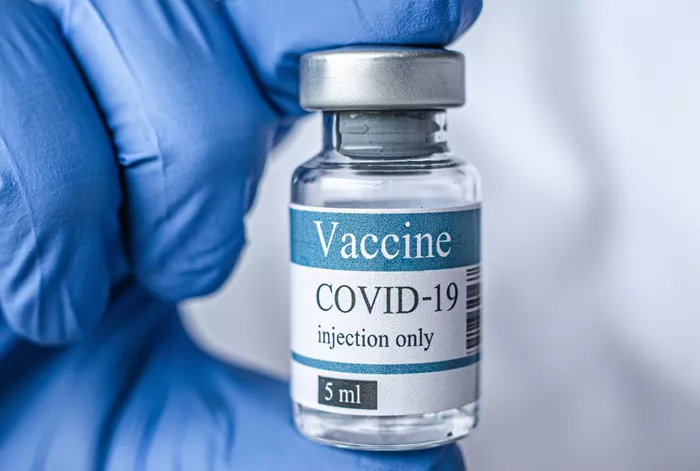
COVID-19 vaccines remain a hot topic—especially for adults under 65 who don’t have underlying health conditions. Recent updates in federal guidance could affect both access and cost. For example, if you don’t meet the new eligibility rules, your insurance may not cover the shot. Without coverage, the vaccine can cost up to $140, according to the CDC’s price list.
Another hurdle: some people may now need a prescription to get the vaccine, which means booking a doctor’s appointment rather than just walking into a pharmacy.
Even so, many physicians still recommend the COVID shot for younger, healthy adults. Here are 10 questions experts suggest asking yourself when deciding whether vaccination makes sense for you.
1. Are you sure you’re not eligible?
The FDA authorizes updated COVID vaccines for adults 65 and older, as well as for people with conditions that increase the risk of severe illness. That list is longer than you might think—it includes mental health conditions like depression and anxiety, as well as being even slightly overweight (BMI 25 or higher).
You may also qualify if you don’t meet physical activity guidelines: fewer than 150 minutes of aerobic exercise per week or fewer than two strength-training sessions.
2. How worried are you about getting COVID?
If you’re not particularly concerned, the benefits may feel less compelling compared with possible side effects such as a sore arm, fatigue, or the rare risk of myocarditis.
Still, boosters improve your immune response and lower the chance of getting sick. For healthy young adults, that means reducing an already low risk of fever, body aches, and other symptoms—but also knowing you’ve done what you can to protect yourself.
3. What about long COVID?
One persistent risk for younger adults is long COVID, with symptoms lasting three months or more. Up to 20% of people who’ve had COVID report lingering issues. Some studies suggest boosters can cut the risk by 25–40%.
While evidence is mixed for certain subtypes of long COVID, like fatigue, many experts recommend layered prevention: vaccination plus protective steps such as masking during travel or using air filters indoors.
4. What if you got really sick?
Even if you’re unlikely to be hospitalized, COVID can still derail your plans. A bad case could mean missing work, travel, or important family events. For those in essential jobs, avoiding even a week out sick may be reason enough to get the shot.
5. How much time do you spend around others?
If you frequently attend large gatherings, travel, or live with people at higher risk (like older relatives or immunocompromised coworkers), vaccination can provide an added layer of protection for both you and them.
6. Are you between 50 and 64?
While the FDA focuses on people 65 and older, some experts recommend vaccination starting at age 50. This group has higher hospitalization rates than younger adults, second only to those over 65.
7. Did you have side effects from past COVID shots?
Mild side effects such as fever, fatigue, or chills usually resolve in a day. If those symptoms were disruptive last time, consider that an actual COVID infection may be much worse—and vaccination still lowers that risk.
8. Do you often get lingering coughs from illness?
Some people, even if otherwise healthy, experience prolonged coughs after viral infections. A COVID booster may help prevent that outcome following infection.
9. How much do you value protecting others?
Vaccination doesn’t just protect you—it helps reduce spread in your community. That’s especially meaningful if you have elderly parents, young kids, or friends with health conditions. Even small gains in herd immunity can protect vulnerable groups.
10. Are you naturally cautious?
For some, the peace of mind is worth it. COVID remains unpredictable—healthy, active people can still become very sick. Choosing vaccination may help you avoid second-guessing if someone close to you gets seriously ill.
Bottom line
Healthy adults under 65 may face more logistical challenges in getting a COVID vaccine this year. But beyond eligibility and access, the decision comes down to personal risk tolerance, your health habits, and how much you value protection for yourself and others. Talking with your doctor can help clarify the best choice for your situation.
YOU MAY ALSO LIKE
US Officials Weigh Releasing Data on COVID Vaccine Risks in Pregnancy
States Push COVID Vaccines for Pregnant Women Amid Federal Shift
CDC Gunman Blamed COVID Vaccine for Depression; Union Demands Action
