
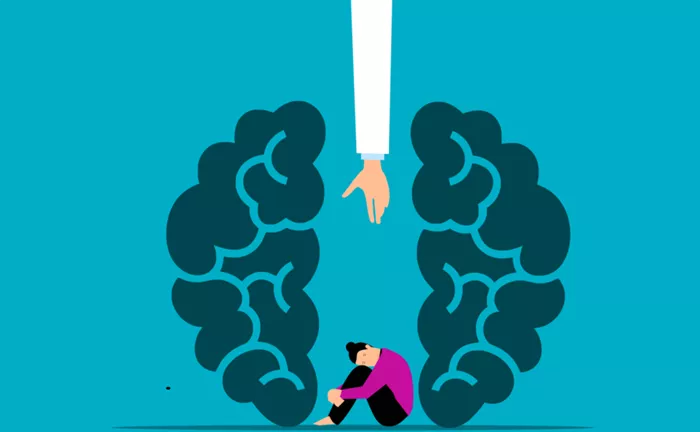
As policymakers ramp up efforts to expand clinical mental health services, a question emerges: what if one of the most powerful supports for young people already exists—just not within the walls of therapy?
Think of a rhythmic pulse in a dance studio, a secret sketch shared among friends, or a group snapping rhythm in response to spoken poetry. These elements, which exemplify “creative belonging,” offer safety, connection, and affirmation beyond clinical settings.
Youth Mental Health at Critical Levels
Adolescent mental health is nearing a crisis. Between 2011 and 2021, high school students reporting persistent sadness or hopelessness jumped to 42%, marking a 30-year high.
For LGBTQ+ youth, students of colour, and those in poverty or facing violence, distress rates are even higher.
These staggering statistics underscore the urgency.
Clinics Matter—but Aren’t Everything
Health systems have responded by broadening access—boosting telehealth, placing therapists in schools, and increasing mental health training. Yet, these strategies don’t reach every young person and often overlook the social and cultural dimensions of wellbeing. Youth consistently articulate a desire not just for therapy, but for spaces that feel safe, affirming, and real.
The Biology of Belonging
“Belonging”—feeling seen, valued, safe—is more than emotional comfort; it’s biologically protective. It can buffer trauma, boost school engagement, and foster resilience.
In neuroscience terms, peer acceptance activates brain regions tied to reward, whereas exclusion triggers distress responses involving the insula and anterior cingulate cortex.
Creative Spaces as Mental Health Infrastructure
Youth-led, culturally rooted arts programs—from slam poetry and dance collectives to media workshops—offer many of the same supports as therapy: regulation, connection, and safety.
The Wallace Foundation reports that such “culture-centered, community-based youth arts programs” promote belonging, identity affirmation, joy, and confidence—especially in communities underserved by school arts offerings.
Internationally, creative arts programs have demonstrated reduced loneliness, improved wellbeing, and resilience in young participants.
Groundbreaking Evidence Emerges
Recent studies reinforce the value of creative interventions:
A UK study estimated that engaging with arts and culture generates a staggering £8 billion annually in health and productivity benefits, revealing a powerful economic and wellbeing dividend.
Another UK survey found that people engaging in arts and crafts reported higher life satisfaction—even surpassing the benefits of employment in some cases.
Long-term research shows that a strong sense of school belonging at age 15–16 predicts lower levels of depression, anxiety, and stress across young adulthood.
Why Creative Belonging Matters
Creative environments provide nonverbal processing, emotional co-regulation, and connection in ways conventional therapy often cannot, especially where language falls short. They also nurture self-efficacy, cultural pride, and identity through youth participation and leadership
The Case for Reframing
Yet, these creative spaces are often relegated to “extras” in education and community planning. That needs to change. Investing in creative belonging can:
- Expand the mental health toolkit with culturally affirming community resources.
- Empower partnerships between clinicians and community arts organizations.
- Catalyse policy that treats joy, expression, and safety as proactive protective factors—not afterthoughts.
Creative belonging doesn’t replace therapy—but for many young people, it is where healing begins—and sometimes, where it’s all they have.
YOU MAY ALSO LIKE
Study Finds Career Perks in Psychopathic Partnerships
