
Staying informed about food recalls is a critical step in protecting your health—while some recalled items pose minimal threats, others can lead to severe illness, hospitalization, or long-term health risks. Recently, five widely consumed foods have been pulled from shelves across multiple U.S. states due to issues ranging from bacterial contamination to undeclared allergens. Below is a breakdown of these recalls, focused on the specific health hazards they present and who may be most at risk.
1. Country Eggs: Salmonella Contamination Linked to Hospitalizations
The U.S. Food and Drug Administration (FDA) has announced a recall of large brown eggs sold by Country Eggs, LLC, over potential Salmonella contamination— a bacteria that can cause serious, even life-threatening illness, especially in young children, older adults, and those with weakened immune systems.
To date, the contamination has affected 95 people across 14 states, with 18 requiring hospitalization. The recalled eggs are large brown cage-free varieties labeled “sunshine” or “Omega-3 Golden” Yolk Eggs, sold by the dozen under the brand names Nagatoshi Produce, Misuho, and Nijiya Market. They were distributed exclusively to retailers in California and Nevada.
2. AquaStar Cocktail Shrimp: Radioactive Contamination Raises Cancer Risk
AquaStar (USA) Corp has recalled 6-ounce packages of its Cocktail Shrimp due to possible contamination with Cesium-137 (Cs-137)—a man-made radioactive isotope. Long-term exposure to Cs-137 is associated with an elevated risk of cancer, as the substance can accumulate in the body and damage cells over time.
The recalled shrimp were sold at Walmart stores in 26 states, including Alaska, Alabama, Colorado, Georgia, Michigan, Texas, and Washington. In a statement, Walmart emphasized its commitment to customer health, noting it has “swiftly blocked the item from being sold and removed it from stores” to prevent further exposure.
3. Hostess Ding Dongs: Premature Mold Growth Threatens Digestive Health
Nationwide, Hostess Ding Dongs were pulled from shelves on August 20 after a production line mechanical issue created conditions that allowed mold to grow on the pastries before their expiration dates. Consuming moldy food can trigger digestive discomfort (such as nausea, vomiting, or diarrhea) and may cause allergic reactions in sensitive individuals, particularly those with asthma or mold allergies.
Consumers who purchased the recalled Ding Dongs are advised to discard them immediately or return them to the store for a full refund or replacement.
4. Taylor Farms Salad Kits: Undeclared Sesame and Soy Pose Allergen Risks
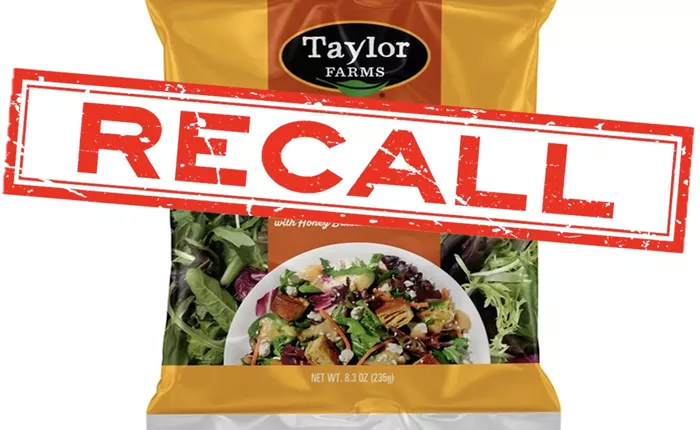
Taylor Fresh Foods, via Instacart, has recalled 6-pack (8.3-ounce each) Taylor Farms Honey Balsamic Salad Kits due to undeclared sesame and soy—two common allergens that can cause severe, life-threatening reactions (including anaphylaxis) in those with allergies.
The recalled salad kits were sold at Walmart locations in 14 states: Alabama, Arkansas, Delaware, Kentucky, Louisiana, Maryland, Missouri, Mississippi, New Jersey, New York, Oklahoma, Pennsylvania, Tennessee, and West Virginia. Individuals with sesame or soy allergies who have this product should not consume it, even in small amounts.
5. Blue Bell Ice Cream: Mislabeling Puts Nut Allergies at Risk
Blue Bell Creameries has recalled over 16,000 tubs of its Moo-llennium Crunch Ice Cream across 16 states due to a dangerous labeling error: the ice cream (which contains almonds, walnuts, and pecans) was incorrectly packaged in Chocolate Chip Cookie Dough cartons—cartons that do not list these tree nut allergens.
While the ice cream itself is safe for most consumers, it poses a severe risk to anyone with nut allergies or sensitivities. Even trace amounts of nuts can trigger anaphylaxis, a rapid and potentially fatal reaction. Blue Bell urges consumers with nut allergies to check their freezers and avoid the mislabeled product.
READ MORE
Cannabis Use May Undermine Depression Treatment, Study Finds
WHO stresses safeguarding US CDC’s role in protecting public health
Breastfeeding for Six Months Linked to Higher IQ and Academic Gains
