
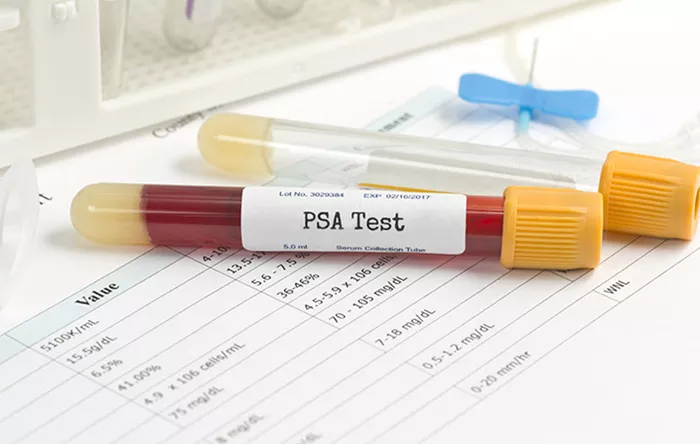
Prostate cancer screening guidelines have long sparked debate, as shifting cultural and medical perspectives balance concerns over both over-screening and under-screening.
“We want screening to detect the clinically significant prostate cancers that patients need to know about,” said Dr. Hayley Silver, a urologist at Endeavor Health. She noted that inconsistent messaging often leaves patients confused about when and how to screen.
The prostate-specific antigen (PSA) test measures levels of PSA, a protein produced by the prostate. Elevated PSA levels may indicate prostate cancer, but can also result from non-cancerous conditions such as prostate enlargement, inflammation, or infection. Initial PSA results help guide future screening recommendations.
Who Should Be Screened and When
Dr. Raj Bhanvadia, also a urologist at Endeavor Health, said men aged 55 to 70 are generally advised to undergo PSA testing every 1–2 years. Men at higher risk—including those with a family history of prostate cancer, inherited BRCA1 or BRCA2 mutations, or African American men—should consider starting screening earlier.
For men with higher-than-average PSA levels, further evaluations like prostate MRI and advanced biomarker tests can better assess overall risk.
Benefits of Screening
Prostate cancer often shows no symptoms in its early stages, making screening crucial for early detection and effective treatment.
“Screening empowers men to make informed decisions about further testing and treatment, choosing approaches that align with their values,” said Dr. Bhanvadia.
Dr. Silver emphasized that screening also provides an opportunity to address broader urologic issues, which affect up to 80% of men at some point in life. These concerns can range from urinary difficulties to sexual health issues and may signal other conditions such as diabetes or heart disease.
“Many men are uncomfortable discussing these issues, but early identification improves treatment options and overall health,” Dr. Silver said.
After the PSA Test
Initial PSA results help physicians assess a patient’s risk by comparing levels to age-specific averages. Low scores may extend the interval before the next test, while higher scores can prompt additional diagnostic evaluations.
“The culture around prostate screening has changed dramatically over the past decade,” Dr. Silver noted, highlighting the role of shared decision-making based on individual risk tolerance.
Active Surveillance: A Conservative Approach
Even when cancer is detected, immediate treatment is not always necessary. Over-diagnosis and unnecessary interventions in the past led to concerns about quality-of-life impacts. Today, active surveillance offers a monitored approach for slow-growing cancers, involving regular PSA testing and periodic biopsies.
“Active surveillance allows men to maintain sexual and urinary function while keeping cancer under control,” said Dr. Bhanvadia. If cancer progresses, treatment options have expanded significantly, improving both survival and quality of life.
“Our tools for fighting prostate cancer are advancing, but early detection through PSA testing remains the key to the most effective outcomes,” he added.
YOU MAY ALSO LIKE
8 Fitness Supplements That Can Power Up Your Workout
