
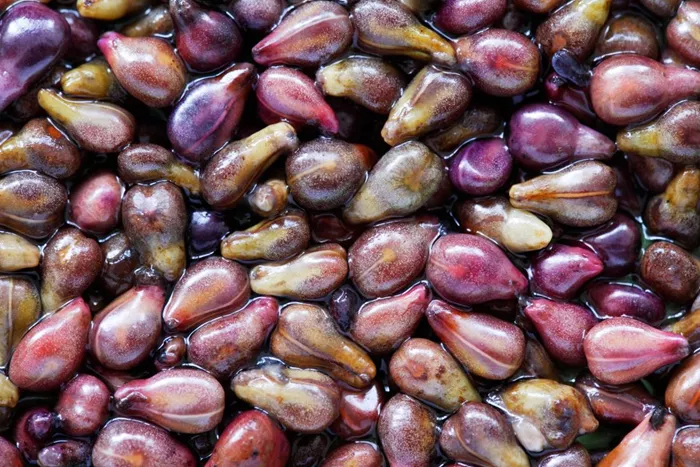
Grape seed extract, a dietary supplement derived from wine grape seeds, may help slow prostate cancer growth in men who have already undergone treatment, according to new research from the University of Colorado Cancer Center.
The findings, led by Paul Maroni, MD, associate professor of surgery and clinical director of urologic oncology at CU, were presented at the American Association for Cancer Research’s annual meeting. Maroni and colleagues are preparing the results for publication.
Prostate Cancer Burden
Prostate cancer is the second most common cancer among men in the United States, with an estimated 314,000 new cases and 35,800 deaths projected in 2024, according to the American Cancer Society. While early detection through prostate-specific antigen (PSA) testing improves treatment outcomes, the disease remains the nation’s second-leading cause of cancer death in men, after lung cancer.
Treatment options vary, from active surveillance for low-risk cases to surgery and radiation for more aggressive disease. When cancer returns after initial treatment, physicians often turn to androgen deprivation therapy (ADT). While effective, ADT carries significant side effects, including hot flashes, fatigue, weight gain, weakened bones, and increased risk of heart disease.
Testing a Supplement Approach
Maroni and his team studied grape seed extract as a potential lower-impact option during the “watchful waiting” period before ADT. The extract contains proanthocyanidins, antioxidant compounds long studied for possible anti-cancer properties.
In the phase II trial, 41 men with recurrent prostate cancer but no evidence of metastasis were given 150 mg of grape seed extract twice daily for up to 12 months. Researchers tracked PSA doubling time — the period it takes for PSA levels to double — as a measure of cancer progression.
Results showed the average PSA doubling time increased from 5.71 months to 6.86 months. Nearly 78% of participants experienced slower PSA increases, with 37% achieving at least a 30% improvement. Men with higher PSA and testosterone levels at baseline tended to respond best. Importantly, the supplement was well tolerated, with minimal side effects reported.
More Research Needed
While the findings are encouraging, Maroni cautioned against self-prescribing grape seed extract. “This is not ready for prime time yet,” he said. “People should not just start taking grape seed extract on the assumption that it’s going to work for them.”
The study was supported by the CU Cancer Center, the Cancer League of Colorado, the Diane D. Writer Foundation, and the Barbara and Richard Gardner Fund for Prostate Cancer Research. Collaborators included Rajesh Agarwal, PhD; Elizabeth Kessler, MD; Thomas Flaig, MD; Elaine Lam, MD; and Dexiang Gao, PhD.
Medical experts emphasize that patients should consult their physicians before using any dietary supplement for cancer management.
YOU MAY ALSO LIKE
