
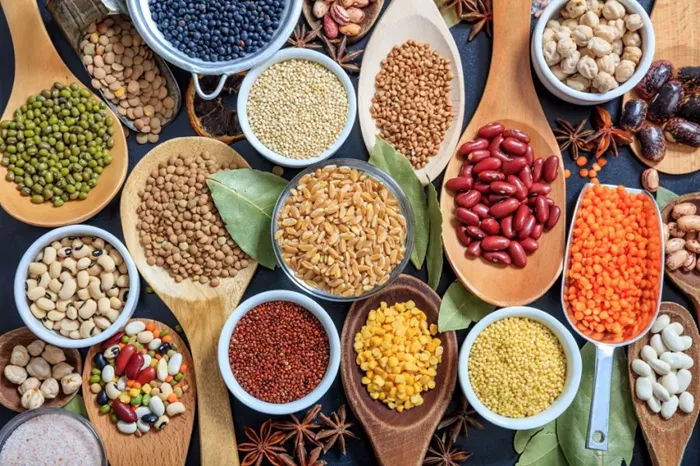
A new study highlights striking differences in pulse consumption across the United States, revealing both health and socioeconomic implications. Pulses—including beans, lentils, chickpeas, and dried peas—are rich in plant proteins, fiber, and micronutrients, offering a more affordable and environmentally friendly alternative to animal-based proteins.
The 2025–30 U.S. Dietary Guidelines for Americans Advisory Committee recently recommended moving pulses from the Vegetable Food Group to the Protein Food Group, placing them above meat, poultry, and eggs as a preferred protein source. But despite this endorsement, overall pulse consumption in the U.S. remains low, except among Mexican Americans.
Researchers analyzed dietary intake data from nearly 49,000 adults across 10 cycles of the National Health and Nutrition Examination Survey (NHANES) between 1999 and 2018. Participants were assessed by sex, age, ethnicity, education, income, and pulse type, with pulses categorized into beans, lentils, chickpeas, and peas.
The findings were revealing: only 17% of adults consumed pulses on a given day. Mexican Americans had the highest intake, while non-Hispanic Black and White adults consumed the least. On average, the general population ate just 12 grams of pulses per day, far below the recommended 2.5 cups per week. Among pulse consumers, however, average intake reached 68 grams per day—roughly four cups per week—surpassing guidelines.
Beans were the most commonly consumed pulse, followed by lentils and chickpeas. Intake of chickpeas has risen significantly since 1999, whereas lentil consumption has shown little change. Sociodemographic patterns were notable: men, adults aged 31–50, and those with lower educational and socioeconomic status tended to eat more pulses. Beans were favored by lower-income groups, while lentils and chickpeas were more popular among higher-income individuals. Older adults over 70 had the lowest pulse intake.
The study also identified trends influenced by culture and economics. Early 2000s declines in pulse consumption may be linked to acculturation among Latino and Asian immigrants and younger Americans adopting Western dietary habits. Recent increases are possibly driven by rising interest in plant-based diets and food price dynamics.
The researchers suggest two strategies to promote pulses under the 2025–30 dietary guidelines. First, marketing chickpeas and lentils to higher-income consumers and ethnic groups less constrained by cultural or structural barriers. Second, expanding pulse-based snacks and breakfast products for children and adolescents to raise awareness of pulses’ affordability, convenience, and health benefits.
While the analysis relied on one-day dietary recalls—which capture group averages but not individual habits—the findings underscore a persistent gap between current intake and national recommendations. Addressing this gap could advance public health and support more sustainable, plant-forward eating patterns across the U.S.
