
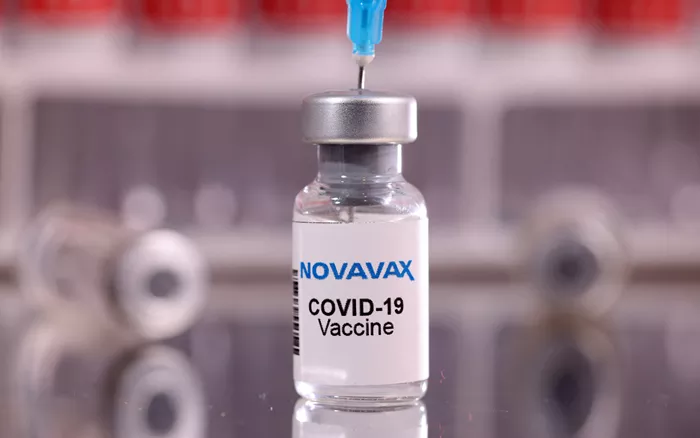
U.S. health regulators approved updated COVID-19 vaccines on Wednesday but restricted their use for many Americans, limiting eligibility for younger adults and children and withdrawing one option entirely for the youngest age group.
The Food and Drug Administration cleared updated shots from Pfizer, Moderna and Novavax for all seniors. But for children and adults under 65, eligibility now depends on having at least one high-risk health condition, such as asthma or obesity. The shift could block access for millions of Americans who previously qualified and create new hurdles for those seeking vaccination.
Pfizer Shot Pulled for Young Children
The FDA revoked emergency authorization for Pfizer’s vaccine in children under 5, leaving Moderna as the only option for that age group. Moderna’s Spikevax remains available for children as young as 6 months but only for those with serious health conditions.
Novavax’s protein-based vaccine, which is cleared only for ages 12 and older, is also restricted to those considered high-risk.
A Break From Past Policy
The move marks a departure from previous federal policy, which encouraged annual COVID-19 vaccination for nearly all Americans six months and older. The Biden administration’s new framework, backed by Health Secretary Robert F. Kennedy Jr. and FDA Commissioner Marty Makary, emphasizes targeted protection for the most vulnerable.
“The American people demanded science, safety, and common sense. This framework delivers all three,” Kennedy said in a statement.
Coverage and Access Uncertain
The changes raise questions about insurance coverage and distribution. Insurers typically follow recommendations from the Centers for Disease Control and Prevention’s advisory panel, which Kennedy recently overhauled with members skeptical of broad vaccine use. The panel is scheduled to meet in September but has not released an agenda.
Depending on its guidance, Americans under 65 may need to provide proof of a qualifying health condition before getting vaccinated. Pharmacists, who deliver most shots, may not be positioned to collect such documentation. State laws on vaccine administration could add further complications.
Those not deemed high-risk but still seeking vaccination may face out-of-pocket costs of $150 or more if insurers decline coverage. Some providers may also hesitate to administer shots outside FDA guidelines.
“This makes things much more complicated, and when things get complicated we see vaccine uptake go down,” said Andy Pekosz, a virologist at Johns Hopkins University.
Targeting New Virus Strains
The updated vaccines are designed to protect against newer variants of the coronavirus that drove recent case surges. Pfizer and Moderna said their doses could be available within days, while Novavax expects distribution in early fall.
The FDA also formally ended authorization for remaining pandemic-era vaccines and convalescent plasma therapy.
COVID-19 remains most dangerous for seniors, children, and people with underlying conditions. Federal data estimates about 47,500 Americans died of COVID-related causes last year. Experts warn that reduced vaccination rates could heighten hospital strain during the winter months.
“Down the line, this will really stress our health workforce,” said Amanda Jezek of the Infectious Diseases Society of America. “The public health impacts here are very worrisome.”
