
More than a decade ago, government data revealed a stark gender disparity in preventable deaths: on average, 120 men in Jersey died each year from causes that could have been avoided, compared to 70 women.
Despite awareness efforts, experts say progress has been limited.
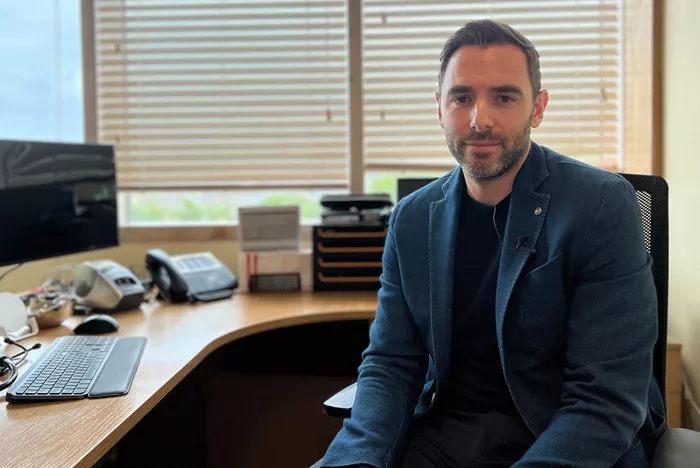
Dr. Guillaume Besson, who launched the Men’s Clinic at Lido Medical Centre this year, said there is still significant work to do in encouraging men to seek medical support before their conditions become serious. The clinic offers specialized services aimed at addressing health concerns men may feel uncomfortable discussing.
“Men are really underrepresented when it comes to health,” Dr. Besson explained. “Many find it difficult to come and see their doctor.”
A combination of factors contributes to men delaying GP appointments, often leading to more serious health complications later. Privacy concerns are significant: around 18% of men avoid GP visits due to worries about confidentiality. Embarrassment over sensitive issues, such as erectile dysfunction, also plays a role.
To address these barriers, the Men’s Clinic allows patients to submit contact forms online detailing the reason for their appointment, followed by a phone call only to confirm the schedule.
“About half of men will experience some form of sexual dysfunction, and symptoms like erectile problems can be early indicators of heart disease,” Dr. Besson noted. “The main concern is that untreated issues can fester. High blood pressure and high cholesterol often have no symptoms and are only discovered after a heart attack or stroke.”
Public Health data indicates that while men in Jersey often live until around age 80, they spend an average of 17-and-a-half years in poor health. Professor Peter Bradley, Director of Public Health, attributes this to largely preventable chronic conditions such as heart disease, cancer, and diabetes.
“There is real value in regular health checks,” Professor Bradley said. “Once men reach their 40s, it’s especially important to visit a GP, undergo basic tests, and adopt a healthier lifestyle early.”
Health inequalities for men have also been highlighted in the States Assembly. Deputy Tom Binet, addressing questions on healthcare disparities, emphasized that men are twice as likely to die by suicide compared to women in Jersey, reflecting broader mental health challenges.
Initiatives like Man Club, founded by Matt Falla, are helping address both mental and physical health. In partnership with Island Padel, the organization encourages men to participate in community sports as a way to improve overall well-being.
“Mental and physical health are intrinsically linked,” Falla said. “Activities like Padel create a supportive community, which is crucial. While men are becoming more open about their problems, health concerns without obvious solutions remain difficult to discuss.”
Recent data from the ONS Health Insight Survey shows the persistent gap in GP engagement: 45.8% of women reported contacting their GP in the previous 28 days, compared to only 33.5% of men.
YOU MAY ALSO LIKE
